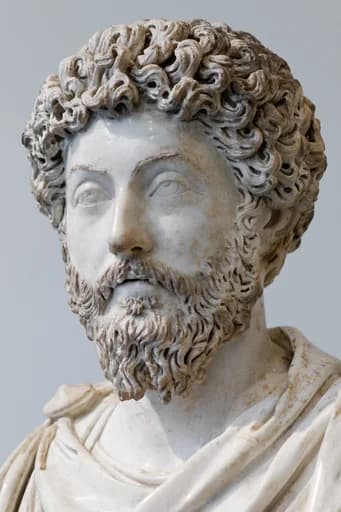
The best revenge is to be unlike him who performed the injury.
Biography
About Marcus Aurelius
Marcus Aurelius (121–180 AD) was Roman Emperor from 161 to 180 and one of the most revered Stoic philosophers of the ancient world. Known as the "Philosopher King," he is the last of the Five Good Emperors whose combined reign (96–180 AD) is often described as Rome's peak of stability and prosperity. He ruled during the Antonine Plague, which killed millions, and spent years on military campaigns along the Danube frontier.
His private journal — known as Meditations (Τὰ εἰς ἑαυτόν, "Things to Oneself") — was never intended for publication but has endured for nearly 2,000 years as one of the greatest works of Stoic philosophy. Written in Greek, it reads as a series of daily moral reminders to himself: proof that good character requires constant maintenance, not one-time achievement.
Key Themes
Wisdom
Marcus Aurelius's Famous Quotes
“The best revenge is to be unlike him who performed the injury.”
Aurelius returned to the theme of responding to injury with virtue rather than retaliation across multiple entries in Meditations. As emperor, he had the power to punish anyone — yet he consistently chose a philosophical response to personal slights. The "revenge" he recommends is not passive but transformative: becoming genuinely unlike the person who harmed you, which requires actually changing your character.
“Very little is needed to make a happy life; it is all within yourself, in your way of thinking.”
Aurelius wrote this as an emperor surrounded by the Roman court''s vast apparatus of entertainment, luxury, and distraction. The Stoic argument is not asceticism for its own sake but the observation that most suffering is produced by believing happiness depends on things you don''t currently have. He was 50+ years old, ruling the most powerful empire on earth, and still writing reminders to himself that it was enough.
“Waste no more time arguing about what a good man should be. Be one.”
Marcus wrote this as a private rebuke to himself: he spent years in philosophical debates with sophists and courtiers who argued endlessly about virtue while doing nothing virtuous. As emperor, he had the power to simply act. This line is the Stoic practice of philosophy as life-conduct rather than intellectual exercise — the test of any philosophy is whether it changes your behavior, not your vocabulary.
From the Blog
Related Reading
Discover
More Thought Leaders
Need to Know
Frequently Asked Questions
Marcus Aurelius (121–180 AD) was Roman Emperor from 161 to 180 and one of the most revered Stoic philosophers of the ancient world. Known as the "Philosopher King," he is the last of the Five Good Emperors whose combined reign (96–180 AD) is often described as Rome's peak of stability and prosperity. He ruled during the Antonine Plague, which killed millions, and spent years on military campaigns along the Danube frontier. His private journal — known as Meditations (Τὰ εἰς ἑαυτόν, "Things to Oneself") — was never intended for publication but has endured for nearly 2,000 years as one of the greatest works of Stoic philosophy. Written in Greek, it reads as a series of daily moral reminders to himself: proof that good character requires constant maintenance, not one-time achievement. Marcus Aurelius lived 121 – 180.
Morning Practice
Continue Your Daily Reflection
Daily faith-based affirmations and quotes from inspiring thinkers like Marcus Aurelius.
Free access. New quotes & reflections every day.