Skip to content
Sabiduría Atemporal

Citas Famosas

Una biblioteca en crecimiento de citas inspiradoras de los más grandes pensadores, líderes y creadores de la historia.
Quote of
the Day

Sabiduría atemporal de pensadores, líderes y creadores renombrados

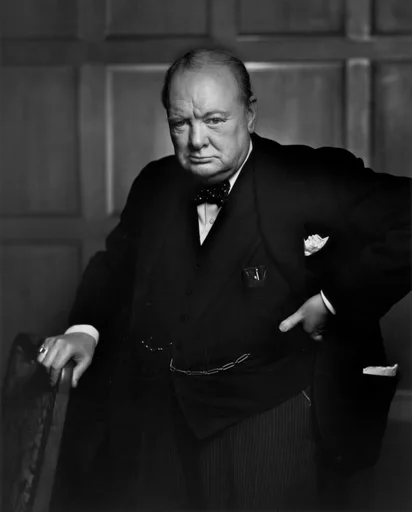
I am easily satisfied with the very best.

Winston Churchill

Wizards Inspiradores

Explora las vidas y la sabiduría de las grandes mentes de la historia.
Aminatta Forna

Aminatta Forna

inspiration

Aminatta Forna (born 1964) is a Sierra Leonean-British author and essayist whose fiction and memoir explore the aftermath of conflict, trauma, and memory in West Africa and beyond. Born in Scotland to a Scottish mother and Sierra Leonean father — the prominent reformist politician Mohamed Forna, who was executed by the Sierra Leone government in 1975 — she was raised across Britain, Sierra Leone, Iran, and Thailand. Her memoir *The Devil That Danced on the Water* (2002) documents her adult search for the truth of her father's death and execution. Her novels — *Ancestor Stones* (2006), *The Memory of Love* (2010), and *The Hired Man* (2013) — examine how communities process and survive political violence. She has taught at Georgetown University and Columbia University, and was awarded the Windham-Campbell Prize in 2017. Her essay collection *The Window Seat* (2021) received wide praise.

Arundhati Roy

Arundhati Roy

inspiration

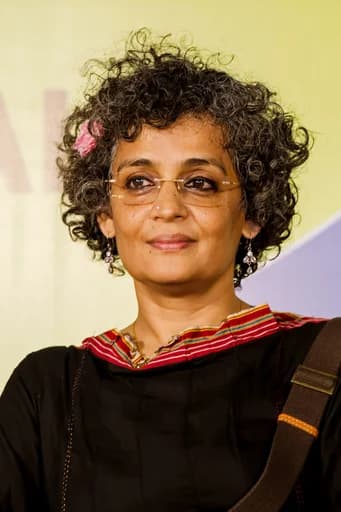
Arundhati Roy (born 1961) is an Indian author and activist whose debut novel *The God of Small Things* (1997) won the Booker Prize and sold more than eight million copies worldwide, making it one of the best-selling novels ever by a non-expatriate Indian author. Born in Shillong and raised in Kerala, Roy trained as an architect before writing her debut. After its success, she turned primarily to political essays — opposing nuclear testing, the Narmada Dam displacement, and the U.S. invasions of Afghanistan and Iraq — collected in *The Algebra of Infinite Justice* (2002) and *Listening to Grasshoppers* (2009). Her second novel, *The Ministry of Utmost Happiness* (2017), arrived twenty years after her first. She remains one of India's most fearless public intellectuals.

Bapsi Sidhwa

Bapsi Sidhwa

leadership

Bapsi Sidhwa (born 1938) is a Pakistani novelist who is widely regarded as Pakistan's most internationally recognized English-language author. Born in Karachi into the Parsi Zoroastrian community and raised in Lahore, she was diagnosed with polio at age two and spent much of her childhood in relative isolation — a circumstance she credits with deepening her observational instincts. Her most celebrated novel, *Ice-Candy-Man* (1988; published in the US as *Cracking India*), narrates the 1947 Partition of India through the eyes of a young Parsi girl in Lahore, bearing witness to the violence that accompanied the creation of Pakistan and India. The novel was adapted into the 1998 film *1947: Earth* by Deepa Mehta. Her other novels include *The Crow Eaters* (1978), a comic family saga, and *An American Brat* (1993), about a young Pakistani woman's culture shock in the United States. She taught at Columbia, Mount Holyoke, and other universities.
Brit Bennett

Brit Bennett

leadership

Brit Bennett (born 1990) is an American novelist whose second novel *The Vanishing Half* (2020) debuted at #1 on the New York Times Best Seller list and was named one of the best books of 2020 by over 50 publications. Born in Los Angeles and educated at Stanford and the University of Michigan's MFA program, she published her debut novel *The Mothers* (2016) — a story of grief, community, and secret in a Black Southern California church community — to wide critical acclaim at age 25. *The Vanishing Half* follows identical twin sisters who diverge radically — one passing as white, one remaining in her Black community — and explores how race, identity, and choice intersect across generations. Bennett is among the most celebrated young American novelists examining race, class, and the multiplicity of Black American experience.

C.S. Lewis

C.S. Lewis

literature

C.S. Lewis (1898–1963) was a British author, literary scholar, and Christian apologist whose work spans fantasy fiction, children's literature, and theological writing. Born Clive Staples Lewis in Belfast, he was educated at Oxford, where he later taught medieval and Renaissance literature before moving to Cambridge in 1954. His seven-volume Chronicles of Narnia (1950–56), including *The Lion, the Witch and the Wardrobe*, are among the best-loved children's books in English. His theological works — *Mere Christianity* (1952), *The Screwtape Letters* (1942), and *The Problem of Pain* (1940) — made him one of the most widely read Christian apologists of the 20th century. His memoir *Surprised by Joy* (1955) traces his conversion from atheism, and *A Grief Observed* (1961), written after his wife Joy Davidman's death, remains one of literature's most honest engagements with loss. His friendship with J.R.R. Tolkien at the Oxford Inklings deeply influenced both writers.

C.S. Lewis

C.S. Lewis

Christianity

Clive Staples Lewis — known as "Jack" to friends and family — was born into a middle-class Protestant family in Belfast in 1898. The early death of his mother from cancer in 1908, when Lewis was nine, marked the first of several losses that would later shape his theology of suffering. He and his older brother Warren ("Warnie") were close throughout life and lived together at The Kilns near Oxford from 1930 onwards. Educated first by tutors, then at boarding schools he disliked intensely, Lewis flourished under the private mentorship of W.T. Kirkpatrick — the rigorous logician he later called "The Great Knock." He won a scholarship to University College, Oxford in 1916, interrupted by service as an officer in the Somerset Light Infantry; he was wounded by friendly fire at the Battle of Arras in April 1918. Returning to Oxford, he took three First-class degrees and in 1925 was elected a Fellow of Magdalen College, where he taught English literature for almost three decades. By his early twenties Lewis was an atheist, persuaded that the universe was meaningless and that all religion was wish-fulfilment. Long conversations with J.R.R. Tolkien, Hugo Dyson, and Owen Barfield, alongside his reading of George MacDonald and G.K. Chesterton, gradually undermined his materialism. He came to theism in 1930 and to Christianity in 1931, describing himself as "the most dejected and reluctant convert in all England." His first major literary success was The Allegory of Love (1936), which won the Hawthornden Prize. During the Second World War the BBC asked him to give radio talks on Christian belief; the broadcasts were collected as Mere Christianity (1952), making him one of the most widely read Christian writers in the English-speaking world. The Screwtape Letters (1942) — a satirical correspondence between a senior demon and his apprentice — put him on the cover of Time magazine in 1947. With Tolkien and other Oxford writers he formed the Inklings — an informal literary circle that met for nearly two decades at Magdalen College and the Eagle and Child pub. Both The Lord of the Rings and The Chronicles of Narnia were shaped in these meetings. The seven Narnia novels appeared between 1950 and 1956. In 1954 Lewis accepted a Chair of Medieval and Renaissance Literature at Cambridge. Late in life he married the American writer Joy Davidman. Her death from cancer in 1960 produced A Grief Observed (1961), perhaps the rawest of his books. Lewis died at The Kilns on 22 November 1963 — the same afternoon as the assassination of President John F. Kennedy, which overshadowed his passing in the news of the day.

Chimamanda Ngozi Adichie

Chimamanda Ngozi Adichie

inspiration

Chimamanda Ngozi Adichie (born 1977) is a Nigerian author whose fiction and essays have made her one of the most important voices in contemporary world literature and feminism. Born in Enugu, raised in Nsukka in the house once occupied by Chinua Achebe, she published her debut novel *Purple Hibiscus* (2003) to wide acclaim. Her second novel *Half of a Yellow Sun* (2006), set during the Biafran War, won the Orange Prize for Fiction. Her TED talks — "The Danger of a Single Story" (2009) and "We Should All Be Feminists" (2012) — have been viewed tens of millions of times. Her essay "We Should All Be Feminists" was sampled by Beyoncé and distributed in Swedish schools as required reading. Her novel *Americanah* (2013) won the U.S. National Book Critics Circle Award.

Chinua Achebe

Chinua Achebe

inspiration

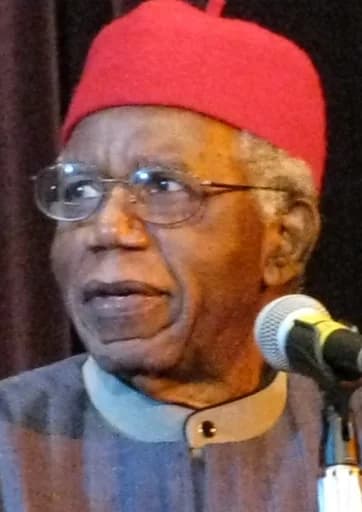
Chinua Achebe (1930–2013) was a Nigerian novelist whose debut *Things Fall Apart* (1958) is the most widely read novel in African literature, translated into more than 57 languages and selling over 20 million copies. Born in Ogidi in colonial Nigeria, Achebe studied at University College Ibadan and worked as a radio producer before publishing his landmark novel about pre-colonial Igbo civilization's collision with British colonialism. His subsequent novels — *No Longer at Ease* (1960), *Arrow of God* (1964), and *Anthills of the Savannah* (1987) — continued his examination of colonialism, corruption, and the postcolonial condition. His essay "An Image of Africa" (1975) is one of the most influential critiques of Joseph Conrad's *Heart of Darkness*. He taught at universities in Nigeria and the United States for decades.

Chubby Checker

Chubby Checker

leadership

Chubby Checker (born 1941) is an American singer and dancer who became one of the most culturally influential entertainers of the 20th century through his 1960 recording of "The Twist." Born Ernest Evans in Spring Gully, South Carolina, he was working in a poultry shop in Philadelphia when he came to the attention of Dick Clark and was signed to Cameo-Parkway Records. His recording of "The Twist" reached #1 on the Billboard Hot 100 in 1960 — and again in 1962, making it the only record to reach #1 twice in the chart's history. The Twist dance craze it triggered spread from teenagers to adults, from America to Europe, democratizing social dancing by eliminating the need for a partner or formal steps. He has remained a performer and advocate for the cultural legacy of the Twist throughout his career.

Clarice Lispector

Clarice Lispector

inspiration

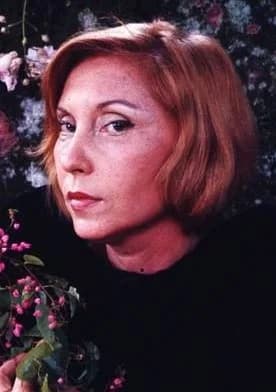
Clarice Lispector (1920–1977) was a Ukrainian-born Brazilian author whose fiction radically transformed 20th-century Portuguese-language literature. Born in Chechelnik, Ukraine (then Russia), she emigrated to Brazil as an infant and grew up in the northeastern city of Recife, raised in poverty after her mother's death. She published her debut novel *Near to the Wild Heart* at 23 while studying law in Rio de Janeiro. Her major works — including *The Passion According to G.H.* (1964) and *The Hour of the Star* (1977) — defy conventional narrative in favor of pure consciousness, epiphany, and the raw encounter with existence. She was also a journalist, diplomat's wife, and mother of two. Her work, largely overlooked outside Brazil in her lifetime, experienced a massive global reassessment after her death, leading the critic Benjamin Moser to call her "the most important Jewish author since Kafka."

Colson Whitehead

Colson Whitehead

leadership

Colson Whitehead (born 1969) is an American novelist who has won the Pulitzer Prize for Fiction twice — for *The Underground Railroad* (2016) and *The Nickel Boys* (2019) — the first author to achieve this in 70 years. Born in New York City and educated at Harvard, Whitehead worked as a television critic before publishing his genre-bending debut *The Intuitionist* (1999), a novel about elevator inspection as racial allegory. His fiction consistently uses genre conventions — detective fiction, zombie apocalypse, escape narrative — to dissect American racism, class, and the gap between the nation's ideals and its history. *The Underground Railroad* imagines a literal subterranean railroad with actual tracks and trains, using fantasy to defamiliarize the history of slavery. He is considered one of the most important American novelists of his generation.

Donald Trump

Donald Trump

leadership

Donald Trump (born 1946) is an American businessman, television personality, and politician who served as the 45th President of the United States from 2017 to 2021 and was elected as the 47th President in 2024. Born in Queens, New York, Trump built a real estate empire under the Trump Organization before becoming a household name through his reality television series "The Apprentice." Known for his brash, outspoken style, Trump leveraged his celebrity brand into a successful 2016 presidential campaign on themes of economic nationalism and anti-establishment politics. His presidency was marked by sweeping tax cuts, deregulation, and a confrontational trade policy with China, as well as a deeply polarized political climate. After the January 6, 2021 Capitol breach and his subsequent second impeachment (acquitted by the Senate), he remained the dominant figure in the Republican Party, running again in 2024 and securing a second term. He is one of the most consequential and controversial figures in modern American political history.

Elif Shafak

Elif Shafak

leadership

Elif Shafak (born 1971) is a Turkish-British novelist and one of the most widely read authors in Turkey, with her books translated into more than 50 languages. Born in Strasbourg to Turkish parents and raised between Ankara and Madrid, she holds a Ph.D. in political science and now lives in London. Her novels — including *The Bastard of Istanbul* (2006), *The Forty Rules of Love* (2010), and *10 Minutes 38 Seconds in This Strange World* (2019) — weave together Sufi mysticism, Ottoman history, feminist politics, and contemporary Istanbul. In 2006 she was prosecuted under Turkey's Article 301 for "insulting Turkishness" after her novel addressed the Armenian genocide. She was acquitted. She is a vocal defender of LGBTQ rights, press freedom, and multicultural democracy, and has given widely watched TED talks on storytelling and the politics of identity.

Frida Kahlo

Frida Kahlo

leadership

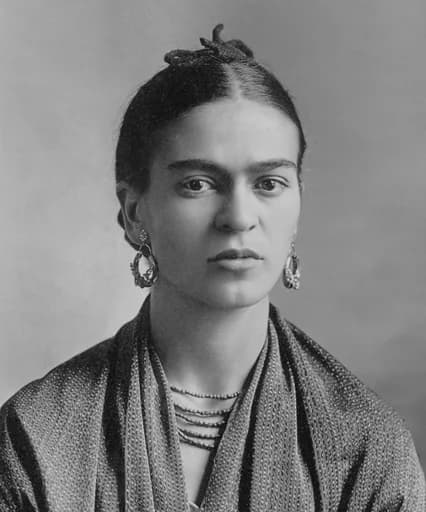
Frida Kahlo (1907–1954) was a Mexican painter whose vivid self-portraits and intensely personal imagery made her one of the most recognizable and studied artists of the 20th century. At 6 she contracted polio; at 18 she survived a bus accident that fractured her spine, pelvis, collarbone, and crushed her right leg — initiating a lifetime of medical procedures (35+ surgeries) and chronic pain. Confined to recovery, she began painting. Her work, often dismissed by the Surrealists as autobiography, is now understood as a precise phenomenological record of her physical and emotional experience. She was deeply involved in Mexican politics and culture, and her turbulent relationship with muralist Diego Rivera defined much of her adult life. Her diary, published posthumously, reveals the full scope of her literary imagination.

Gabriel García Márquez

Gabriel García Márquez

inspiration

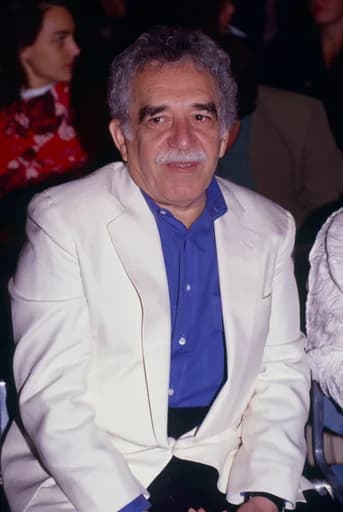
Gabriel García Márquez (1927–2014), known affectionately as "Gabo," was a Colombian novelist, journalist, and screenwriter, and one of the most significant writers of the 20th century. Born in Aracataca, Colombia, he was raised largely by his grandparents — his grandmother's matter-of-fact storytelling style became the template for magical realism. One Hundred Years of Solitude (1967) took the world by storm, establishing him as a global literary figure. He received the Nobel Prize in Literature in 1982. His other major works include Love in the Time of Cholera (1985) and his autobiography Living to Tell the Tale (2002). He spent decades as a journalist, convinced that journalism and fiction were different expressions of the same truth-telling impulse.

Han Kang

Han Kang

inspiration

Han Kang (born 1970) is a South Korean author who in 2024 became the first South Korean writer — and the first Asian woman — to receive the Nobel Prize in Literature. Born in Gwangju and raised in Seoul, she studied Korean literature at Yonsei University and published her first short stories in 1993. Her novel *The Vegetarian* (2007) — about a woman's radical refusal of meat — received international attention when Deborah Smith's English translation won the International Booker Prize in 2016. Her subsequent novel *Human Acts* (2014) confronted the 1980 Gwangju Uprising, in which soldiers massacred hundreds of civilians, including neighbors of her childhood. The Nobel Committee cited her "intense poetic prose that confronts historical traumas and exposes the fragility of human life." She teaches creative writing in Seoul.

Haruki Murakami

Haruki Murakami

inspiration

Haruki Murakami (born 1949) is Japan's most internationally translated living author, known for blending mundane Tokyo life with surrealism, jazz, and existential longing. Born in Kyoto, he ran a jazz bar for years before his debut novel *Hear the Wind Sing* (1979). His breakthrough came with *Norwegian Wood* (1987), a melancholic love story that sold millions in Japan. He then pivoted to the surreal, labyrinthine style that defines classics like *The Wind-Up Bird Chronicle* (1994) and *Kafka on the Shore* (2002). His running memoir *What I Talk About When I Talk About Running* (2007) revealed the discipline behind his prolific output. He has been repeatedly nominated for the Nobel Prize. His work explores loneliness, memory, and the search for meaning in a disenchanted modern world.

Isabel Allende

Isabel Allende

inspiration

Isabel Allende (born 1942) is a Chilean-American author whose sweeping family sagas and magical realist fiction have made her the most widely read female author writing in Spanish. Born in Lima to Chilean parents, she worked as a journalist in Chile until the 1973 coup killed her cousin President Salvador Allende, forcing her into exile in Venezuela. There she began writing a letter to her dying grandfather — which became *The House of the Spirits* (1982), a multigenerational saga that launched her international career. Her memoir *Paula* (1994), written for her daughter who lay dying in a coma, became one of the most emotionally powerful works in her catalogue. She has published more than 25 books translated into 42 languages and has sold over 77 million copies worldwide. She lives in California.

J.K. Rowling

J.K. Rowling

inspiration

J.K. Rowling (born 1965 in Yate, England) is the British author of the Harry Potter series — seven novels (1997–2007) that have sold over 600 million copies in 85 languages, making them the bestselling book series in history. She conceived the series on a delayed train in 1990 and wrote the first novel as a single mother on public assistance in Edinburgh cafes. Twelve publishers rejected the manuscript before Bloomsbury accepted it in 1995. The series spawned a film franchise, theme parks, a stage play (Harry Potter and the Cursed Child), and the Wizarding World expanded universe. Beyond fiction, Rowling delivered a celebrated Harvard commencement address (2008) on the gifts of failure and the power of imagination. She has become a prominent and controversial public figure through her public positions on gender identity.

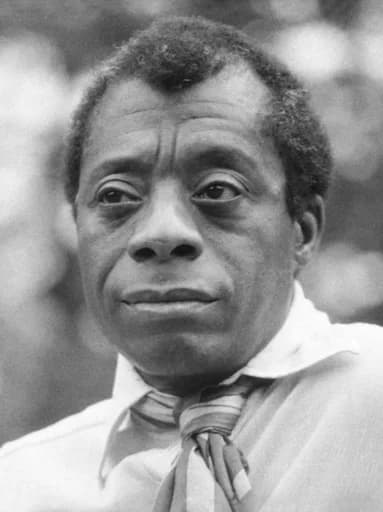
James Baldwin

James Baldwin

inspiration

James Baldwin (1924–1987) was an American novelist, essayist, and public intellectual whose work confronted the intersections of race, sexuality, and class in mid-20th-century America with an unmatched combination of fury and compassion. Born in Harlem, he was raised by a stern stepfather who was a preacher — an influence he both fled from and returned to in his writing. His major works include Go Tell It on the Mountain (1953), Giovanni's Room (1956), Notes of a Native Son (1955), The Fire Next Time (1963), and Another Country (1962). He spent much of his adult life in self-imposed exile in Paris, where he found freedom from American racial constraints while continuing to write about America from the outside. He is widely considered one of the greatest essayists in the English language.

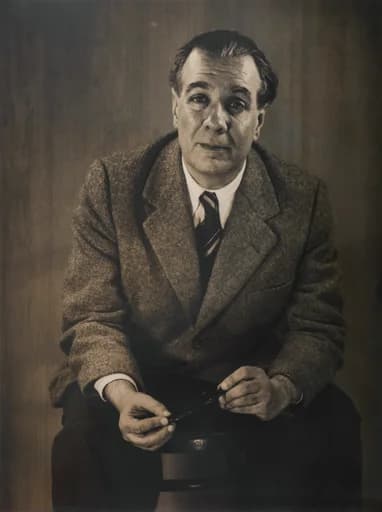
Jorge Luis Borges

Jorge Luis Borges

inspiration

Jorge Luis Borges (1899–1986) was an Argentine poet, essayist, and short story writer whose fiction created a genre of its own: the philosophical puzzle-box story that treats labyrinths, mirrors, libraries, and infinite sets as vehicles for metaphysical inquiry. Born in Buenos Aires, he spent his youth in Geneva and Spain and returned to Argentina as a fully formed literary talent. His major collections — Ficciones (1944) and El Aleph (1949) — influenced every major novelist of the second half of the 20th century. He was director of the Argentine National Library from 1955 to 1973, a period during which he went completely blind. Despite never winning the Nobel Prize — a famous literary injustice — he remains one of the most globally cited authors in history.

LM

Laura Teresa Marquez

leadership

Laura Teresa Marquez is a Latina motivational speaker, author, and community leadership advocate whose work focuses on empowerment, resilience, and intercultural dialogue. Drawing on her experience navigating the intersections of Latina identity, immigrant experience, and professional leadership in the United States, she has built a platform centered on the values of collective uplift, gratitude, and purpose-driven leadership. She speaks at conferences, universities, and community organizations, and has written on themes of personal transformation and social responsibility. She is known for applying classic motivational principles — resilience, service, vision — to the specific challenges and strengths of Latina and underrepresented communities in American public life.

Leïla Slimani

Leïla Slimani

inspiration

Leïla Slimani (born 1981) is a French-Moroccan novelist and journalist who became the first Moroccan woman to win France's Prix Goncourt, for *The Perfect Nanny* (Chanson douce, 2016). Born in Rabat to a Moroccan banker father and French-Algerian mother, she studied at Sciences Po Paris and worked as a journalist at the magazine Jeune Afrique. Her debut novel *Adèle* (2014) — about a woman's sex addiction — explored female desire and social performance in contemporary France. *The Perfect Nanny* (2016), which opens with a nanny murdering the two children in her care, became the bestselling book in France that year. In 2017 French President Emmanuel Macron appointed her as France's personal representative for Francophone affairs. She has also published a non-fiction investigation of sexuality and hypocrisy in Morocco, *Sex and Lies* (2017).

Lu Xun

Lu Xun

inspiration

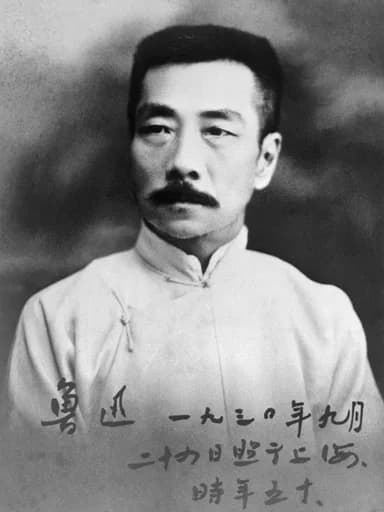
Lu Xun (1881–1936), pen name of Zhou Shuren, is widely considered the founding father of modern Chinese literature. Born in Shaoxing, Zhejiang, he initially studied medicine in Japan before concluding that China's problems were spiritual and cultural rather than physical — and that literature, not medicine, was the cure. His "A Madman's Diary" (1918) is considered the first modern Chinese short story written in vernacular Chinese. His major collections include Call to Arms (Nahan, 1923) and Wandering (Panghuang, 1926). His satirical essay "The True Story of Ah Q" is a devastating portrait of Chinese national psychology under imperialism. Mao Zedong praised him as "the saint of modern China," though Lu Xun died before the Communist victory and his actual political views were more complex.

Marcus Aurelius

Marcus Aurelius

inspiration

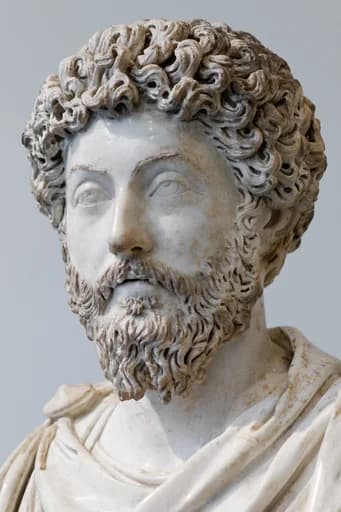
Marcus Aurelius (121–180 AD) was Roman Emperor from 161 to 180 and one of the most revered Stoic philosophers of the ancient world. Known as the "Philosopher King," he is the last of the Five Good Emperors whose combined reign (96–180 AD) is often described as Rome's peak of stability and prosperity. He ruled during the Antonine Plague, which killed millions, and spent years on military campaigns along the Danube frontier. His private journal — known as Meditations (Τὰ εἰς ἑαυτόν, "Things to Oneself") — was never intended for publication but has endured for nearly 2,000 years as one of the greatest works of Stoic philosophy. Written in Greek, it reads as a series of daily moral reminders to himself: proof that good character requires constant maintenance, not one-time achievement.

Margaret Atwood

Margaret Atwood

inspiration

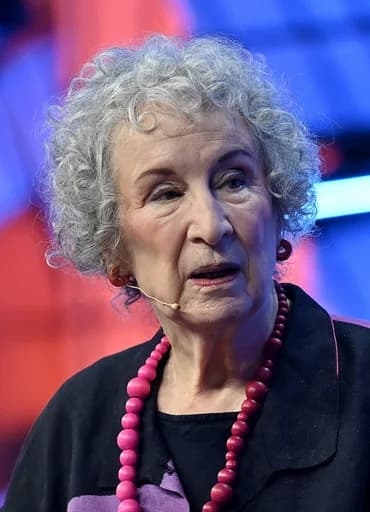
Margaret Atwood (born 1939) is a Canadian novelist, poet, and critic widely regarded as one of the most important living authors in the English language. Born in Ottawa and raised partly in the northern Ontario wilderness, she studied at Victoria University and Radcliffe College. Her breakthrough novel *The Edible Woman* (1969) announced her feminist preoccupations; *The Handmaid's Tale* (1985) — a dystopian novel about a theocratic patriarchy — became her most internationally known work, reinvigorated by the 2017 Hulu adaptation during the Trump era. She has won the Booker Prize twice — for *The Blind Assassin* (2000) and *The Testaments* (2019). She has published more than 50 works of fiction, poetry, and criticism, and remains an outspoken public voice on environmental collapse, authoritarianism, and gender politics.

Mariama Bâ

Mariama Bâ

inspiration

Mariama Bâ (1929–1981) was a Senegalese author whose debut novel *So Long a Letter* (1979) transformed African women's literature and won the inaugural Noma Award for Publishing in Africa in 1980. Born in Dakar, she was raised by her grandparents in a traditional Muslim household after her mother's death, but her father insisted on her secular education. She worked as a primary school teacher for years while raising nine children after her divorce — the same social experience that informs her novel's exploration of polygamy, women's education, and friendship. *So Long a Letter*, written as correspondence between two Senegalese women, became a foundational text of African feminist literature and is studied across the continent and internationally. She completed a second novel, *Scarlet Song* (1981), before dying of cancer at 51, never witnessing the full international impact of her work.

Maya Angelou

Maya Angelou

inspiration

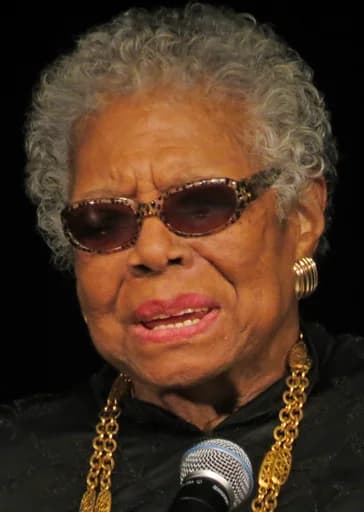
Maya Angelou (1928–2014) was an American poet, memoirist, and civil rights activist whose seven-volume autobiography, beginning with I Know Why the Caged Bird Sings (1969), transformed American literature. Born Marguerite Annie Johnson in St. Louis, Missouri, she endured a childhood marked by racial segregation, sexual trauma, and years of voluntary muteness. She became a dancer, singer, actress, journalist, playwright, and eventually one of the most celebrated poets in American history. In 1993 she delivered her poem "On the Pulse of Morning" at President Bill Clinton's inauguration. She received the Presidential Medal of Freedom in 2011. Her work is inseparable from the Civil Rights Movement — she was a close friend and collaborator of both Malcolm X and Martin Luther King Jr.

Mo Yan

Mo Yan

inspiration

Mo Yan (born 1955) is a Chinese author who received the Nobel Prize in Literature in 2012, cited for his "hallucinatory realism" that "merges folk tales, history and the contemporary." Born Guan Moye in Gaomi, Shandong — a rural area that becomes the setting of much of his fiction — he left school during the Cultural Revolution to work in the fields, then served in the People's Liberation Army. His international reputation was established by *Red Sorghum* (1987), a visceral novel of wartime Shandong that was adapted into a Zhang Yimou film. His subsequent novels — *The Republic of Wine* (1992), *Big Breasts and Wide Hips* (1995), and *Life and Death Are Wearing Me Out* (2006) — blend Chinese folklore, Rabelaisian excess, and political critique. The Nobel Prize generated controversy because of his silence on the imprisonment of Liu Xiaobo, but he remains the most internationally recognized Chinese author.

Mohsin Hamid

Mohsin Hamid

leadership

Mohsin Hamid (born 1971) is a Pakistani author whose novels have been shortlisted for the Man Booker Prize twice and translated into more than 35 languages. Born in Lahore, he spent his childhood partly in California and was educated at Princeton and Harvard Law School. His debut novel *Moth Smoke* (2000) was a portrait of Pakistan's nuclear-era elite; his second, *The Reluctant Fundamentalist* (2007), a meditation on identity after 9/11, brought him international attention. *How to Get Filthy Rich in Rising Asia* (2013) used the second-person and self-help genre as an ironic frame for a story of economic aspiration and love. *Exit West* (2017), about two lovers navigating magical doors that transport refugees instantly, became one of the most acclaimed literary responses to the global migration crisis. He divides his time between Lahore, London, and New York.

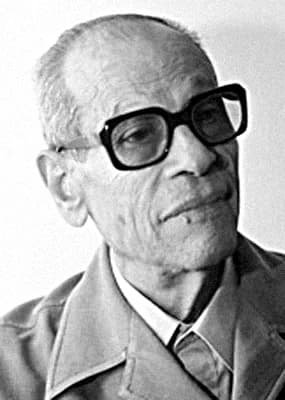
Naguib Mahfouz

Naguib Mahfouz

inspiration

Naguib Mahfouz (1911–2006) was an Egyptian novelist who in 1988 became the first Arab writer to receive the Nobel Prize in Literature. Born in the al-Gamaliyya district of old Cairo — the setting of much of his fiction — he worked as a civil servant for decades while writing, publishing his first novels in the 1930s. His masterwork, the Cairo Trilogy (*Palace Walk*, *Palace of Desire*, *Sugar Street*, 1956–57), traced three generations of an Egyptian family from 1917 to 1944, establishing him as Egypt's Balzac. His later existentialist novels — especially *The Thief and the Dogs* (1961) — and his allegorical novella *Children of the Alley* (1959), which was banned in Egypt for 30 years for perceived blasphemy, showed his range. In 1994 he survived a stabbing attack by an Islamic extremist, suffering permanent nerve damage to his right hand. He dictated rather than wrote for his final decade.

Ngũgĩ wa Thiongʼo

Ngũgĩ wa Thiongʼo

inspiration

Ngũgĩ wa Thiong'o (born 1938) is a Kenyan author, playwright, and theorist who is among Africa's most celebrated writers and a perennial Nobel Prize contender. Born James Ngugi in Limuru, Kenya, he was educated at Makerere University and Leeds. His early novels — *Weep Not, Child* (1964) and *A Grain of Wheat* (1967) — established him as a major voice in postcolonial African literature. In 1977 his community theater play in Gikuyu was deemed subversive; he was detained without trial for a year. He subsequently abandoned English, writing exclusively in Gikuyu and Swahili, beginning with *Devil on the Cross* (1980), written on toilet paper while imprisoned. His theoretical work *Decolonising the Mind* (1986) is required reading in postcolonial studies worldwide. He has taught at Yale, New York University, and UC Irvine.

NT

Nguyen Huy Thiep

inspiration

Nguyen Huy Thiep (1950–2021) was a Vietnamese short story writer whose 1987 story "The General Retires" (*Tướng về hưu*) triggered a national literary controversy and is credited with inaugurating a new era of honest, unvarnished Vietnamese fiction. Born in Hanoi, he trained as a history teacher and spent years teaching in remote mountain provinces before returning to Hanoi and beginning to write fiction in his late thirties. His stories — set in Vietnam's villages, imperial courts, and revolutionary landscapes — refused the socialist realist triumphalism expected by the literary establishment, instead portraying moral complexity, failure, and the collision between traditional values and materialism. His collections were simultaneously celebrated and suppressed. Western critics began translating and championing his work in the 1990s, leading to international recognition. He is considered the most important Vietnamese fiction writer of his generation.

Nuruddin Farah

Nuruddin Farah

leadership

Nuruddin Farah (born 1945) is a Somali novelist, playwright, and essayist widely recognized as the most important Somali literary voice in any language, and a long-standing Nobel Prize contender. Born in Baidoa in what was then Italian Somaliland, he studied in India and was living abroad when his 1970 novel *From a Crooked Rib* — narrating a woman's escape from forced marriage — was condemned by the Barre regime. He has lived in exile from Somalia ever since. His major works include the trilogy *Variations on the Theme of an African Dictatorship* (1979–83) and the Blood in the Sun trilogy — *Maps* (1986), *Gifts* (1992), *Secrets* (1998) — which examine Somali identity, exile, and the collapse of the state. He has taught at universities in Europe, Africa, and North America. His fiction is the most sustained literary exploration of Somali experience in existence.

Ocean Vuong

Ocean Vuong

inspiration

Ocean Vuong (born 1988) is a Vietnamese-American poet and novelist whose work transforms the experience of war, migration, queer identity, and grief into some of the most celebrated writing of his generation. Born in Ho Chi Minh City, he arrived in the United States at age two as a refugee and grew up in Hartford, Connecticut in a family of tobacco workers. His debut poetry collection *Night Sky with Exit Wounds* (2016) won the T.S. Eliot Prize and the Whiting Award. His autofictional novel *On Earth We're Briefly Gorgeous* (2019) — written as a letter from a son to his illiterate mother — became a New York Times bestseller and was translated into dozens of languages. He holds an MFA from New York University and teaches at UMass Amherst. His writing is distinguished by its lyrical compression, its tenderness toward the wounded body, and its refusal to make suffering beautiful without also making it true.

Octavia E. Butler

Octavia E. Butler

inspiration

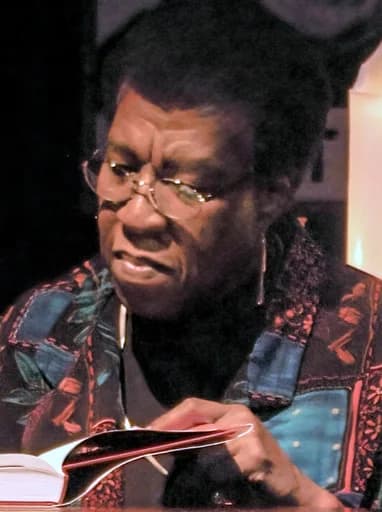
Octavia E. Butler (1947–2006) was an American science fiction author and the first science fiction writer to receive a MacArthur Foundation "genius" fellowship (1995). Born in Pasadena, California, she began writing science fiction at age 10 and published her debut novel Patternmaster in 1976. She is best known for the Parable series (Parable of the Sower, 1993; Parable of the Talents, 1998), the standalone novel Kindred (1979), and the Patternist series. Her fiction is distinguished by its unflinching engagement with power, biology, race, gender, and the ethics of survival — she was doing "Afrofuturism" decades before the term existed. She received two Hugo Awards, two Nebula Awards, and a Locus Award. She died suddenly from a stroke at 58, leaving the Parable series unfinished.

Orhan Pamuk

Orhan Pamuk

inspiration

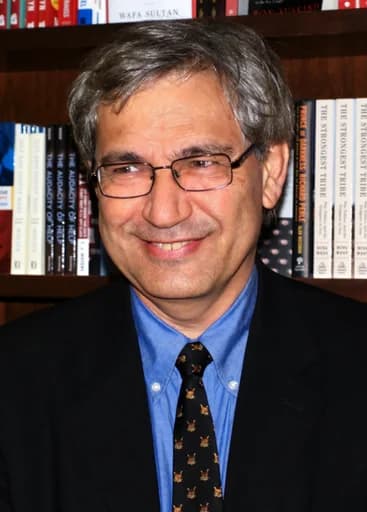
Orhan Pamuk (born 1952) is a Turkish novelist who received the Nobel Prize in Literature in 2006, cited by the Swedish Academy for "in the quest for the melancholic soul of his native city, has discovered new symbols for the clash and interlacing of cultures." Born in Istanbul to a wealthy Westernized family, he studied architecture before dedicating himself to writing. His novels — including *The White Castle* (1985), *The Black Book* (1990), *My Name Is Red* (1998), and *Snow* (2002) — are steeped in Ottoman history, Istanbul's layered geography, and the tension between tradition and modernity. In 2005 he was prosecuted under Article 301 of the Turkish Penal Code for publicly acknowledging the Armenian genocide. His memoir *Istanbul: Memories and the City* (2003) and novel *The Museum of Innocence* (2008) — which he accompanied with an actual museum in Istanbul — show his deepening engagement with the city as subject.

Patrick White

Patrick White

inspiration

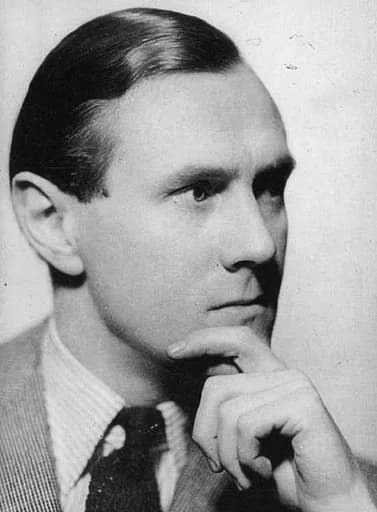
Patrick White (1912–1990) was an Australian novelist who in 1973 became the first Australian to receive the Nobel Prize in Literature, cited for his "epic and psychological narrative art which has introduced a new continent into literature." Born in London to Australian parents and educated at Cheltenham College and Cambridge, he settled in rural New South Wales after World War II with his Greek-Australian partner Manoly Lascaris. His major novels — including *Voss* (1957), *Riders in the Chariot* (1961), *The Solid Mandala* (1966), and *The Eye of the Storm* (1973) — are dense, demanding works that seek the spiritual and mythological beneath the material surface of Australian life. He was openly gay in an era when homosexuality was criminalized in Australia, and used the Nobel Prize money to establish the Patrick White Literary Award for neglected Australian authors.

Prabda Yoon

Prabda Yoon

inspiration

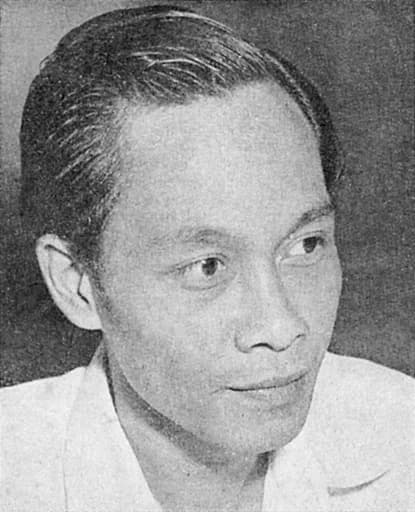
Prabda Yoon (born 1973) is a Thai author, screenwriter, and visual artist who is among the most influential figures in contemporary Thai literature. Born in Bangkok, he studied at the Rhode Island School of Design and Brown University before returning to Thailand to write fiction influenced by European absurdism, postmodernism, and his art school training. His debut short story collection *The Sad Part Was* (2000) won the SEA Write Award in 2002 and introduced a literary sensibility entirely new to Thai literature — cosmopolitan, ironic, and structurally experimental. He has since worked extensively in film, writing and directing internationally recognized projects. His fiction has been translated into English (by Mui Poopoksakul) and published to acclaim outside Thailand. He is widely credited with opening Thai literature to global postmodern currents.

Pramoedya Ananta Toer

Pramoedya Ananta Toer

inspiration

Pramoedya Ananta Toer (1925–2006) was an Indonesian author widely regarded as the greatest Indonesian literary figure of the 20th century and a perennial Nobel Prize contender. Born in Blora, Java, he fought in Indonesia's independence revolution and was first imprisoned by the Dutch in 1947. Under Suharto's regime he was imprisoned without trial for 14 years on Buru Island (1965–79), banned from writing materials. He dictated his Buru Quartet — *This Earth of Mankind* (1980), *Child of All Nations* (1980), *Footsteps* (1985), *House of Glass* (1988) — to fellow prisoners from memory before paper was allowed. The books were banned in Indonesia for decades and circulated in secret. His work chronicles Indonesian history from colonial humiliation through independence through authoritarianism with moral clarity and narrative urgency. He was twice arrested, twice imprisoned, and never ceased writing.

Rabindranath Tagore

Rabindranath Tagore

inspiration

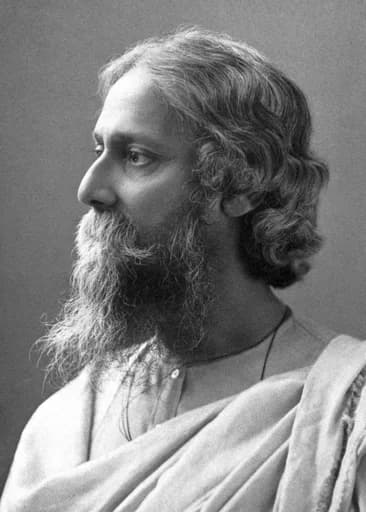
Rabindranath Tagore (1861–1941) was an Indian polymath — poet, composer, playwright, philosopher, visual artist, and educator — who became the first non-European to win the Nobel Prize in Literature (1913). Born in Kolkata into the Bengali intellectual aristocracy, he reshaped Bengali literature, composed over 2,000 songs (now forming the classical tradition Rabindra Sangeet), founded the experimental school Santiniketan (later Visva-Bharati University), and wrote plays, novels, short stories, and essays across seven decades. His poetry collection Gitanjali (1910), translated into English by Tagore himself, won the Nobel Prize. He returned his British knighthood in 1919 in protest of the Jallianwala Bagh massacre. Tagore was a close friend and intellectual interlocutor of Mahatma Gandhi.

Rumi

Rumi

inspiration

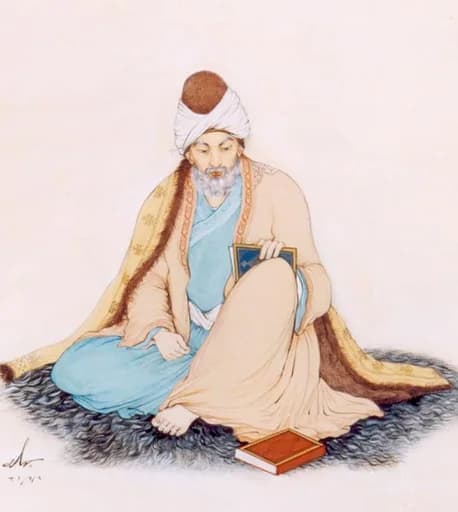
Jalal ad-Din Muhammad Rumi (1207–1273) was a 13th-century Persian poet, Islamic scholar, jurist, and Sufi mystic born in Khorasan (present-day Afghanistan). He spent most of his adult life in Konya (in present-day Turkey), where his spiritual transformation following the death of his teacher Shams of Tabriz unleashed one of history's most extraordinary creative outpourings. His major works include the Masnavi (a six-volume poem of over 25,000 verses) and the Divan-e Shams-e Tabrizi. Most English "Rumi quotes" are loose adaptations rather than precise translations — Coleman Barks' influential versions, while widely read, are paraphrases of the Persian originals. Rumi's poetry is now among the best-selling poetry in the United States, read both as spiritual literature and as psychology.

Sally Rooney

Sally Rooney

inspiration

Sally Rooney (born 1991) is an Irish novelist who became a defining voice of millennial fiction with two debut novels that combined social critique, literary modernism, and acute psychological observation. Born in Castlebar, County Mayo, she studied English at Trinity College Dublin where she was a nationally ranked competitive debater. Her debut *Conversations with Friends* (2017) established her preoccupations: class, power, irony, and the failure of emotional communication in young adulthood. *Normal People* (2018) became a global phenomenon, adapted into a critically acclaimed Hulu/BBC series. Her third novel *Beautiful World, Where Are You* (2021) reflected on fame, authenticity, and the difficulty of living meaningfully in conditions of global injustice. She is one of the bestselling literary novelists of her generation and among the first to make Marxist class analysis central to literary romance.

Sayaka Murata

Sayaka Murata

inspiration

Sayaka Murata (born 1979) is a Japanese author whose novel *Convenience Store Woman* (2016) became an international phenomenon, selling over 660,000 copies in Japan and winning the Akutagawa Prize before being translated into more than 30 languages. Born in Inzai, Chiba, Murata spent years working part-time in convenience stores while writing — the same setting that gives her most famous novel its meticulous texture. Her fiction explores social conformity, alienation, and the violence the "normal" world inflicts on those who cannot or will not perform its rituals. Her follow-up novel *Earthlings* (2018) pushed these themes toward darker and more surreal territory. She is considered a leading voice of contemporary Japanese literature examining how social expectations crush individuality.

Simone de Beauvoir

Simone de Beauvoir

inspiration

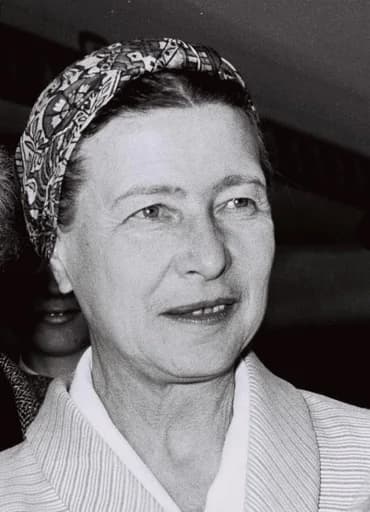
Simone de Beauvoir (1908–1986) was a French existentialist philosopher, novelist, and feminist theorist whose book The Second Sex (1949) is one of the foundational texts of modern feminism. Born in Paris to a bourgeois family, she graduated from the École Normale Supérieure and taught philosophy alongside Jean-Paul Sartre, with whom she maintained a lifelong open relationship. Her novels — including She Came to Stay (1943) and The Mandarins (1954, Prix Goncourt) — dramatize the existentialist themes she developed in her philosophical essays. The Second Sex argued that woman is not born but made — a social construction — and that liberation requires economic independence, intellectual engagement, and resistance to the roles patriarchal society assigns. The book was immediately placed on the Vatican's Index of Forbidden Books.

Sylvia Plath

Sylvia Plath

inspiration

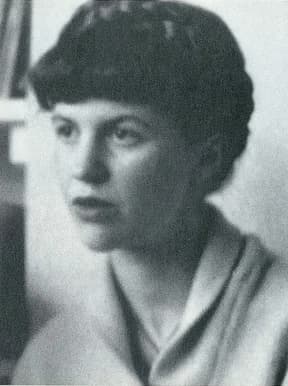
Sylvia Plath (1932–1963) was an American poet and novelist, a pioneer of confessional poetry who transformed personal suffering into some of the most technically precise verse of the 20th century. Born in Boston, she graduated summa cum laude from Smith College and won a Fulbright scholarship to Cambridge, where she met and married British poet Ted Hughes. Her semi-autobiographical novel The Bell Jar (1963) and her posthumous poetry collection Ariel (1965) secured her lasting place in literary history. She died by suicide in London at 30 — six months after the publication of The Bell Jar under a pseudonym. Her unabridged journals, published in 2000, revealed the full scope of her intellectual ambition and creative discipline beneath the public narrative of tragic brilliance.

Theodore Roosevelt

Theodore Roosevelt

inspiration

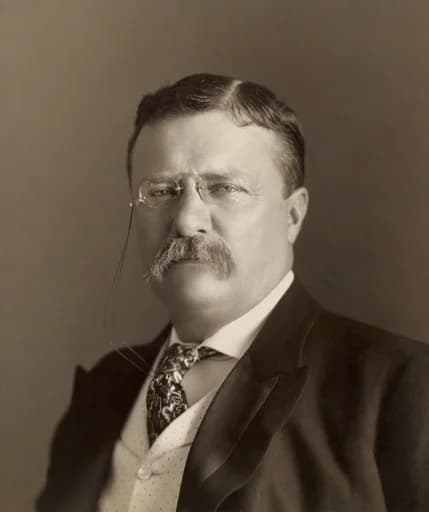
Theodore Roosevelt (1858–1919) was the 26th President of the United States (1901–1909), the youngest person to hold the office. Born into a wealthy New York family with severe asthma, he rebuilt his health through rigorous physical effort — a practice that became a lifelong philosophy. As president, he broke up major corporate trusts, established the national park system (over 230 million acres), won the Nobel Peace Prize for mediating the Russo-Japanese War (1906), and launched the Panama Canal. He was also a prolific author (over 35 books) and naturalist. After leaving office, he ran unsuccessfully as a third-party candidate in 1912, surviving an assassination attempt mid-campaign. He is consistently ranked among the greatest US presidents in historical surveys.

Tomas Tranströmer

Tomas Tranströmer

inspiration

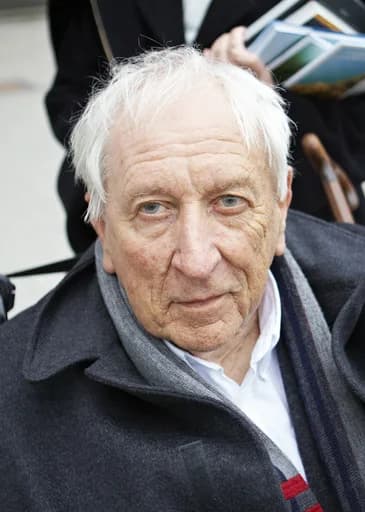
Tomas Tranströmer (1931–2015) was a Swedish poet and psychologist widely regarded as the most significant Scandinavian poet of the 20th century, awarded the Nobel Prize in Literature in 2011. Born in Stockholm, he trained as a psychologist at Stockholm University and worked for decades with juvenile offenders and prisoners while writing poetry. His collections — including *17 Poems* (1954), *The Truth Barrier* (1978), and *For the Living and the Dead* (1989) — are notable for their sudden leaps between the material and metaphysical, their compressed imagery, and their use of silence as structural element. In 1990 a stroke left him largely aphasic; he continued playing piano with his left hand until near his death. His complete poems fit in a single slim volume, yet their influence extends across world poetry.

U. R. Ananthamurthy

U. R. Ananthamurthy

inspiration

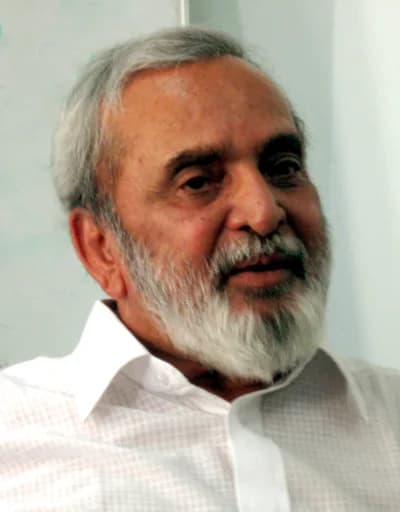
U.R. Ananthamurthy (1932–2014) was a Kannada-language novelist, scholar, and public intellectual who is considered one of the most important figures in modern Indian literature. Born Udupi Rajagopalacharya Ananthamurthy in Thirthahalli, Karnataka, he was educated at the University of Mysore and the University of Birmingham, where he wrote his landmark novel *Samskara* (1965) as a doctoral student. The novel — about a Brahmin community's crisis of ritual and modernity — was translated into English in 1976 and is now a cornerstone of postcolonial South Asian literature. He served as chairman of India's Film and Television Institute, the Sahitya Akademi, and the National Book Trust, and was considered for the Nobel Prize. He was associated with the Navya movement in Kannada literature, which brought modernist techniques and social critique to regional Indian fiction. He was an outspoken critic of Hindu nationalism throughout his career.

Winston Churchill

Winston Churchill

leadership

Sir Winston Churchill (1874–1965) was a British statesman, soldier, and writer who served as Prime Minister of the United Kingdom during the Second World War (1940–1945) and again from 1951–1955. Widely regarded as one of the greatest wartime leaders in history, he rallied Britain against Nazi Germany at its most isolated moment with speeches that defined the era. He was also a prolific author, winning the Nobel Prize in Literature in 1953 for his historical writings, including the six-volume The Second World War. Churchill's career was marked by spectacular failures — including the Gallipoli disaster in WWI — and remarkable recoveries, making his life one of the 20th century's most compelling examples of persistence. Note: Churchill is among the most misquoted figures in history; many popular quotes attributed to him cannot be verified in his documented writings.

Wole Soyinka

Wole Soyinka

inspiration

Wole Soyinka (born 1934) is a Nigerian playwright, novelist, and poet who in 1986 became the first African to receive the Nobel Prize in Literature. Born in Abeokuta in what was then British Nigeria, he studied at Ibadan and Leeds before returning to Nigeria where his plays — including *The Lion and the Jewel* (1963) and *Death and the King's Horseman* (1975) — blended Yoruba dramatic tradition with Western theatrical form. During the Biafran War he was imprisoned without trial for 22 months by the military regime; his prison memoir *The Man Died* (1972) became a landmark of resistance literature. He has spent periods in exile and continues to speak and write against authoritarianism in Nigeria and globally. His work encompasses satire, tragedy, and ritual drama, always anchored in the moral seriousness of the African political condition.

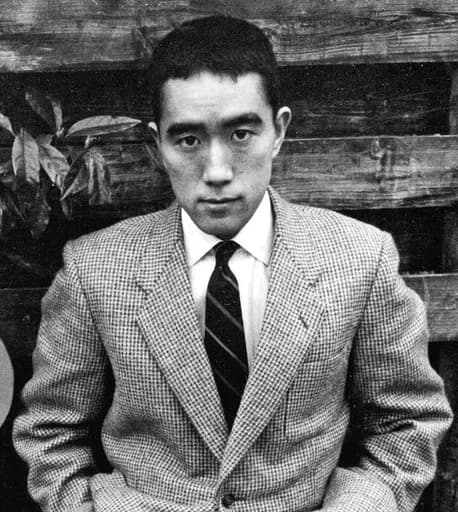
Yukio Mishima

Yukio Mishima

inspiration

Yukio Mishima (1925–1970) was a Japanese author whose prolific and intensely aesthetic body of work established him as one of the most celebrated — and controversial — writers of 20th-century Japan. Born Kimitake Hiraoka in Tokyo, he published his debut novel at 14 under his pen name. His major works — including *Confessions of a Mask* (1949), *The Temple of the Golden Pavilion* (1956), and *The Sea of Fertility* tetralogy (1969–70) — explored beauty, death, masculinity, and Japanese identity with obsessive intensity. He was nominated for the Nobel Prize three times. In 1970 he led a paramilitary group in a failed coup attempt at a Tokyo military headquarters and then performed ritual suicide (seppuku) before an assembled crowd. He completed his final novel the day before his death. His life and work remain inseparably entangled in Japanese cultural memory.

Explorar Frases

Mostrando 20 de 383 frases

One child, one teacher, one book, one pen can change the world.

Malala Yousafzai

Believe you can and you're halfway there.

Theodore Roosevelt

Have the courage to follow your heart and intuition.

Steve Jobs

Life is not always what one wants it to be, but to make the best of it as it is, is the only way of being happy.

Patrick White

The past is a country from which we have all emigrated.

Patrick White

To understand oneself is the classic form of consolation; to delude oneself is the romantic.

Patrick White

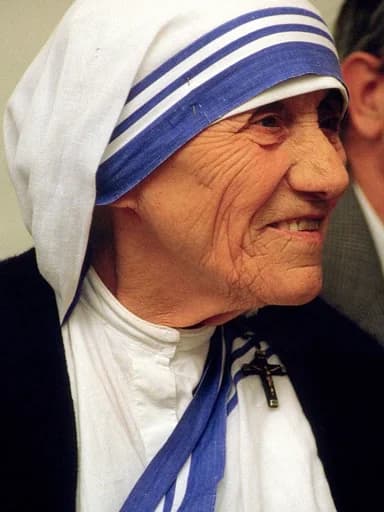
If you judge people, you have no time to love them.

Mother Teresa

Faith is taking the first step even when you don't see the whole staircase.

Martin Luther King Jr.

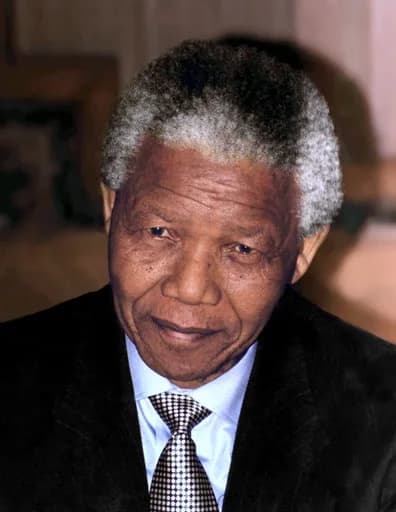
It always seems impossible until it's done.

Nelson Mandela

Do not judge me by my successes, judge me by how many times I fell down and got back up again.

Nelson Mandela

There is no greater agony than bearing an untold story inside you.

Maya Angelou

We delight in the beauty of the butterfly, but rarely admit the changes it has gone through to achieve that beauty.

Maya Angelou

The truth has to be made plausible before it is believed.

Patrick White

We must learn to live together, to love each other, before it is too late.

Mariama Bâ

Home is not where you are born, but where all your attempts to escape cease.

Nuruddin Farah

The world is a book and those who do not travel read only one page.

Nuruddin Farah

I don't want to be remembered as the girl who was shot. I want to be remembered as the girl who stood up.

Malala Yousafzai

The best executive is the one who has sense enough to pick good men to do what he wants done, and self-restraint to keep from meddling with them while they do it.

Theodore Roosevelt

Feet, what do I need you for when I have wings to fly?

Frida Kahlo

I never paint dreams or nightmares. I paint my own reality.

Frida Kahlo