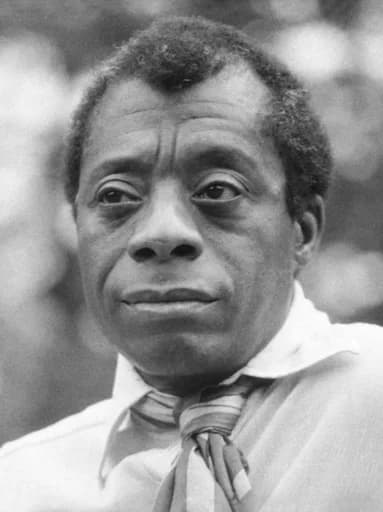
The home of the soul is the language in which it first learned to speak.
Biography
About Ngũgĩ wa Thiongʼo
Ngũgĩ wa Thiong'o (born 1938) is a Kenyan author, playwright, and theorist who is among Africa's most celebrated writers and a perennial Nobel Prize contender. Born James Ngugi in Limuru, Kenya, he was educated at Makerere University and Leeds. His early novels — *Weep Not, Child* (1964) and *A Grain of Wheat* (1967) — established him as a major voice in postcolonial African literature.
In 1977 his community theater play in Gikuyu was deemed subversive; he was detained without trial for a year. He subsequently abandoned English, writing exclusively in Gikuyu and Swahili, beginning with *Devil on the Cross* (1980), written on toilet paper while imprisoned. His theoretical work *Decolonising the Mind* (1986) is required reading in postcolonial studies worldwide.
He has taught at Yale, New York University, and UC Irvine.
Key Themes
Quick Facts
- Born
- 1938
- Status
- Living
- Age
- 88 yrs
- Quotes
- 5 collected
Wisdom
Ngũgĩ wa Thiongʼo's Famous Quotes
“The home of the soul is the language in which it first learned to speak.”
— Decolonising the Mind (1986)
Ngũgĩ identifies language not as neutral medium but as the dwelling of identity. When colonialism imposed European languages, it did not just change communication — it relocated the soul's home. He chose to write exclusively in Gikuyu and Swahili from the mid-1970s onward, publishing *Caitaani Mutharaba-ini* (1980) as the first major novel in Gikuyu, later translated as "Devil on the Cross."
“To decolonize the mind is the first step toward freedom.”
— Decolonising the Mind: The Politics of Language in African Literature (1986)
In this landmark work — which Ngũgĩ declared his "farewell to the English language" — he argues that colonialism's deepest wound was not land seizure but mental occupation through language. To teach African children in European languages, he contended, was to train them to see themselves through the colonizer's eyes. Decolonizing the mind means reclaiming African languages as primary vehicles of thought, identity, and artistic expression.
“The present is rooted in the past.”
— A Grain of Wheat (1967)
Ngũgĩ's third novel, set during Kenya's independence transition, is structured as a meditation on how the Mau Mau struggle and colonial past continue to shape every character's present choices. The quote reflects his historical materialism — that present actions are intelligible only as responses to past forces. He wrote the novel while teaching at the University of Nairobi, where he championed replacing English literature curricula with African literature.
“Writers are the memory of a people.”
— Writers in Politics (1981); various essays
Ngũgĩ positions writers as custodians of collective memory against the erasure that colonial and authoritarian powers perpetrate. He was arrested and detained without trial in 1977–78 by Kenya's Kenyatta government after his Gikuyu play *Ngaahika Ndeenda* was seen as subversive. He wrote his next novel on toilet paper while imprisoned, embodying the very preservation he describes.
“Stories are the way we make sense of the world.”
— Moving the Centre: The Struggle for Cultural Freedoms (1993)
In this essay collection Ngũgĩ argues that literature performs the essential human function of making experience comprehensible — not by simplifying it but by giving it shape, consequence, and moral weight. He explicitly links this to African oral tradition, in which storytelling was communal, participatory, and bound to lived social practice rather than individual aesthetic consumption.
From the Blog
Related Reading
Discover
More Thought Leaders
Need to Know
Frequently Asked Questions
Ngũgĩ wa Thiong'o (born 1938) is a Kenyan author, playwright, and theorist who is among Africa's most celebrated writers and a perennial Nobel Prize contender. Born James Ngugi in Limuru, Kenya, he was educated at Makerere University and Leeds. His early novels — *Weep Not, Child* (1964) and *A Grain of Wheat* (1967) — established him as a major voice in postcolonial African literature. In 1977 his community theater play in Gikuyu was deemed subversive; he was detained without trial for a year. He subsequently abandoned English, writing exclusively in Gikuyu and Swahili, beginning with *Devil on the Cross* (1980), written on toilet paper while imprisoned. His theoretical work *Decolonising the Mind* (1986) is required reading in postcolonial studies worldwide. He has taught at Yale, New York University, and UC Irvine. Ngũgĩ wa Thiongʼo lived b. 1938.
Morning Practice
Continue Your Daily Reflection
Daily faith-based affirmations and quotes from inspiring thinkers like Ngũgĩ wa Thiongʼo.
Free access. New quotes & reflections every day.