Wisdom Hub
Famous Author Quotes & Wisdom
56 authors including Clarice Lispector, Elif Shafak, Sappho.
Featured Quotes
Author Wisdom
“I write as if to save somebody's life. Probably my own.”
Lispector — born in Ukraine, raised in Brazil, writing in Portuguese — framed writing as an act of existential survival. Her fiction saved her from madness, she claimed, giving form to experiences that would otherwise be unbearable. She wrote under pseudonym during much of her career, worked as a journalist, raised children alone, and survived a disfiguring fire — all while producing some of the most challenging literature in any language.
“I am afraid to write. It's so dangerous. Anyone who has tried, knows.”
Lispector wrote in a state she called "danger" — a confrontation with the wordless reality beneath language. She believed that truly honest writing required entering a territory where the writer's control dissolves and something more primal speaks. This vulnerability is not metaphor; her manuscripts show extensive revision driven by a sense of inadequacy before experience, not before style.
“I only achieve simplicity with enormous effort.”
In this work of pure experimental prose — a text without plot, characters, or argument, only immediate sensation and consciousness — Lispector reached for a language beyond syntax. "Simplicity" for her meant stripping away every artifice until only truth remained. The paradox is that this demands enormous technical and psychological effort: most "simple" writing is merely careless; genuine simplicity requires mastery surrendering itself.
“Someone, I tell you, in another time will remember us.”
Sappho wrote on the island of Lesbos around 600 BC, leading a community of young women in the arts and devotion to the goddess Aphrodite. Nearly all her work was lost over the following centuries — we have one complete poem and perhaps 200 substantial fragments. This fragment''s prediction ("someone will remember us") has proved exactly right across 2,600 years. It reads as both a statement about the persistence of art and a personal act of consolation.
“I simply want to be dead. Weeping she left me.”
This fragment survives with gaps — it is part of a longer poem in which Sappho and another woman part ways. The rawness of "I simply want to be dead" is startling in its directness across millennia: grief of this intensity was written down, shared, and preserved. Anne Carson''s translations of the Sapphic fragments treat the gaps in the text as meaningful — the white spaces on the page represent what time erased. Reading Sappho is always reading around absence.
Voice of the Tradition
Everything in the world began with a yes.
Notable Voices
Author Thinkers
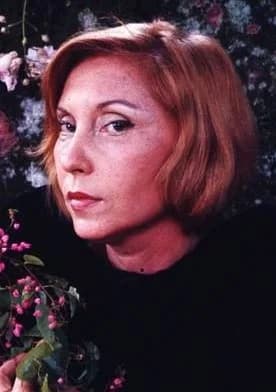
Clarice Lispector
Elif Shafak
Sappho
Nguyen Huy Thiep
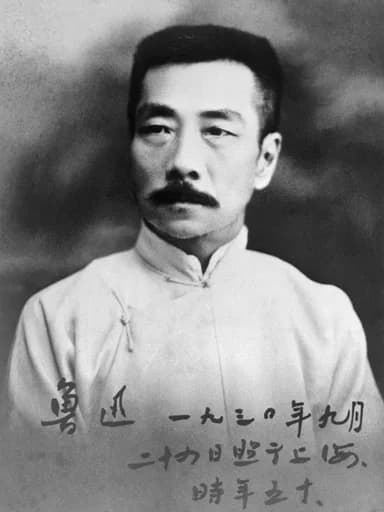
Lu Xun
Colson Whitehead
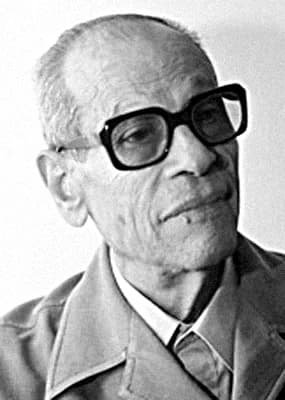
Naguib Mahfouz
Aminatta Forna
Brit Bennett
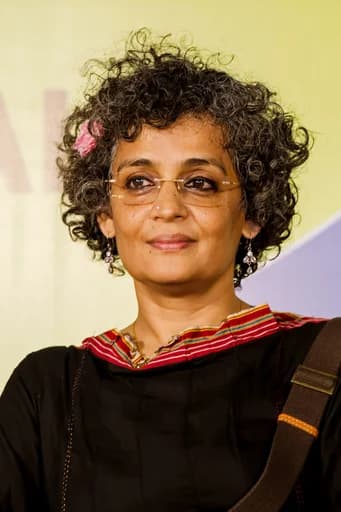
Arundhati Roy
Mo Yan
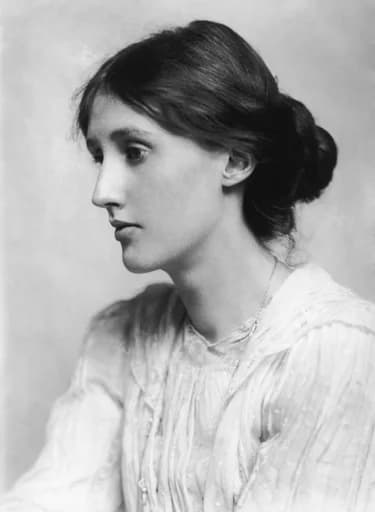
Virginia Woolf
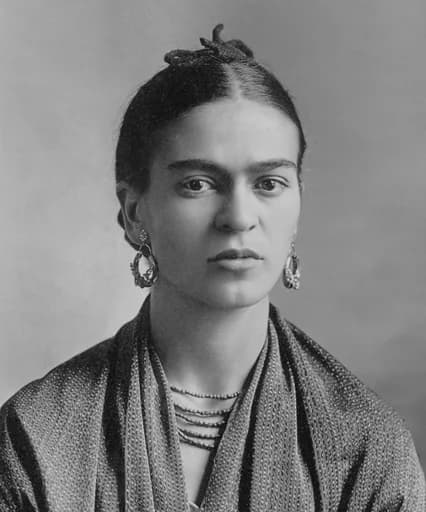
Frida Kahlo
Isabel Allende
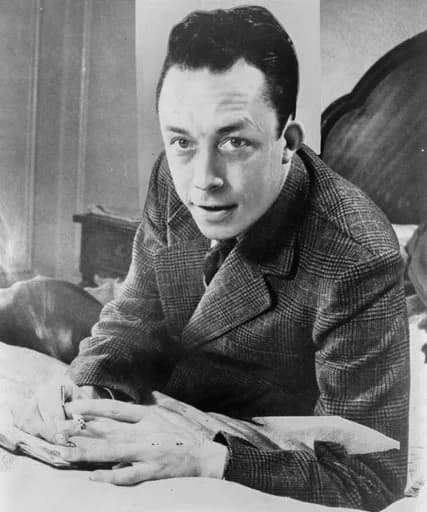
Albert Camus
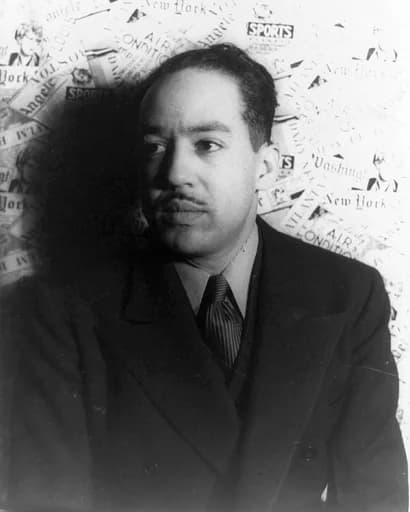
Langston Hughes
Haruki Murakami
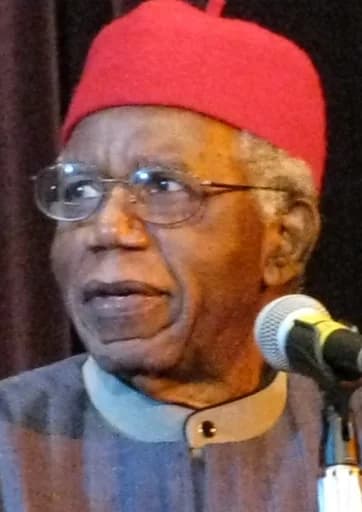
Chinua Achebe
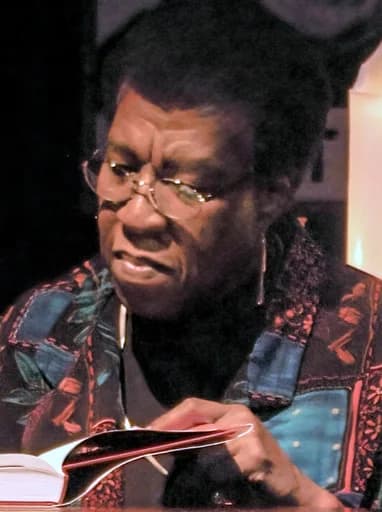
Octavia E. Butler
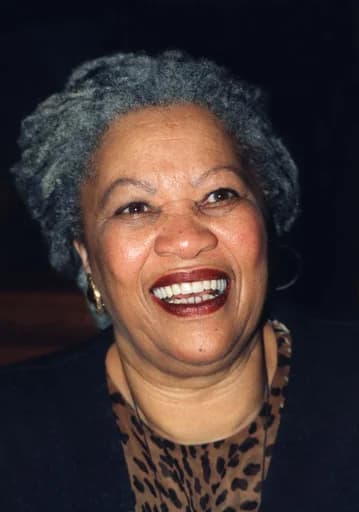
Toni Morrison
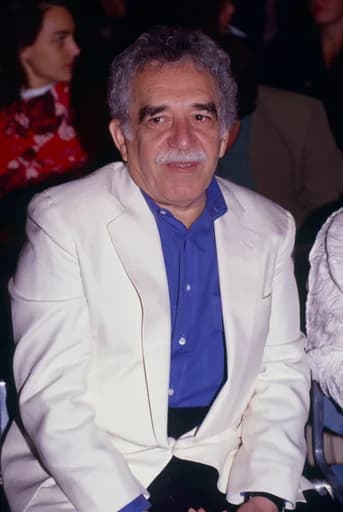
Gabriel García Márquez
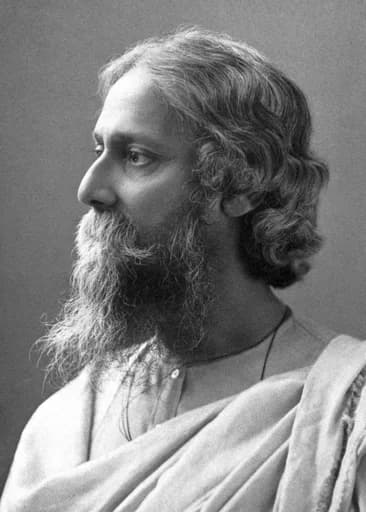
Rabindranath Tagore
J.K. Rowling
Bapsi Sidhwa

Chimamanda Ngozi Adichie
Mohsin Hamid
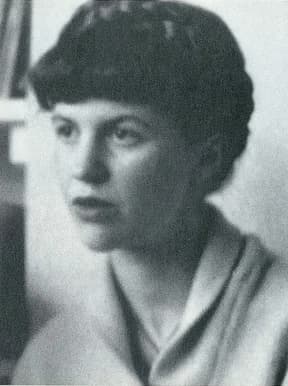
Sylvia Plath
Sally Rooney
Sayaka Murata
Ngũgĩ wa Thiongʼo
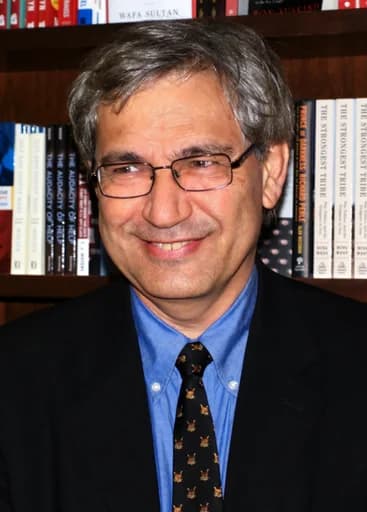
Orhan Pamuk
Han Kang
Nuruddin Farah
Ocean Vuong
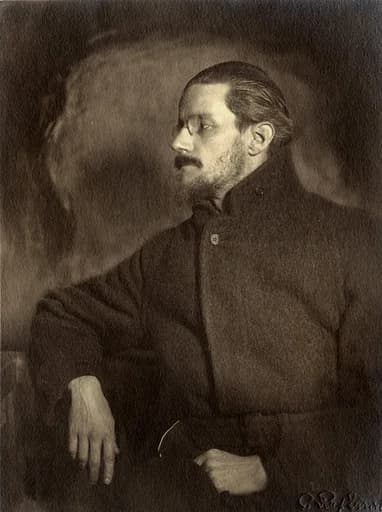
James Joyce
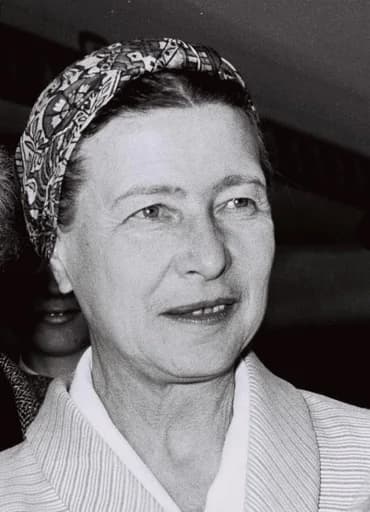
Simone de Beauvoir
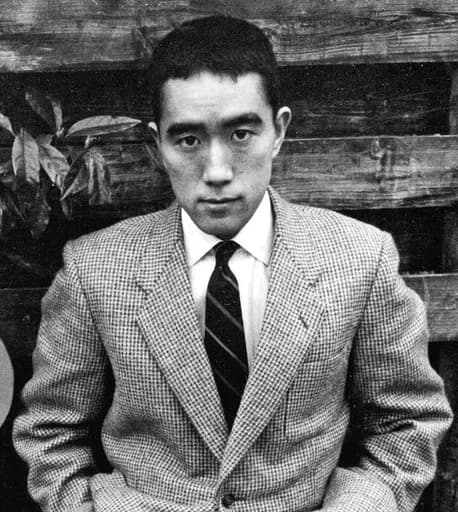
Yukio Mishima
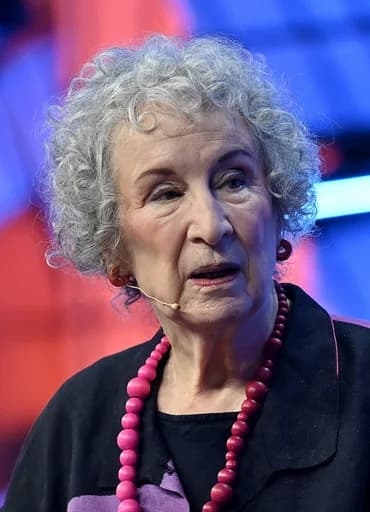
Margaret Atwood
Wole Soyinka
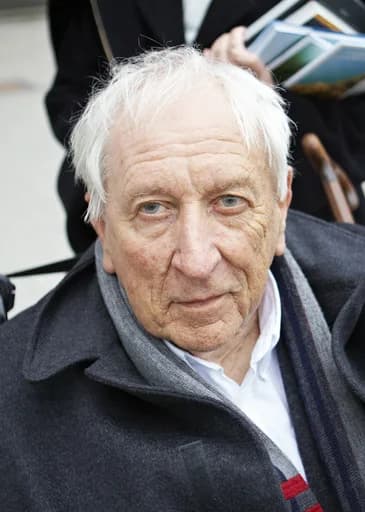
Tomas Tranströmer
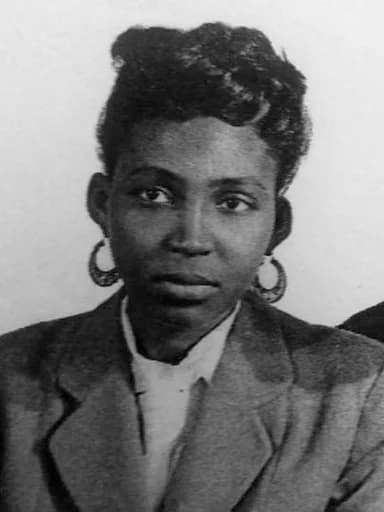
Mariama Bâ
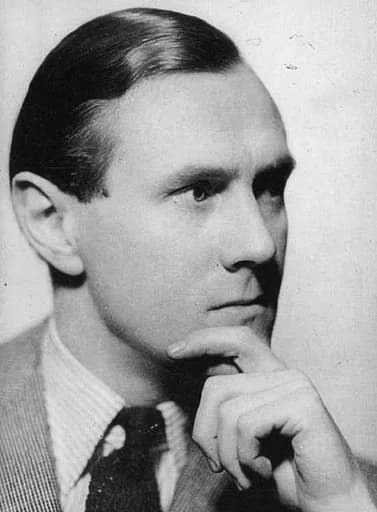
Patrick White
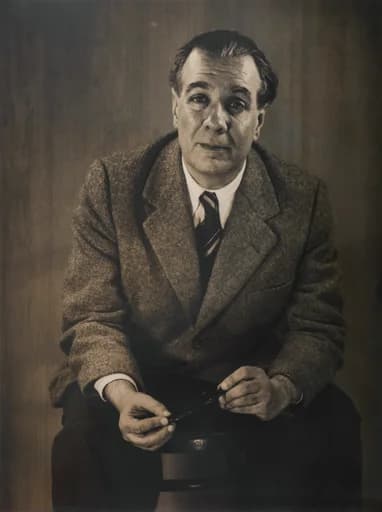
Jorge Luis Borges
Leïla Slimani
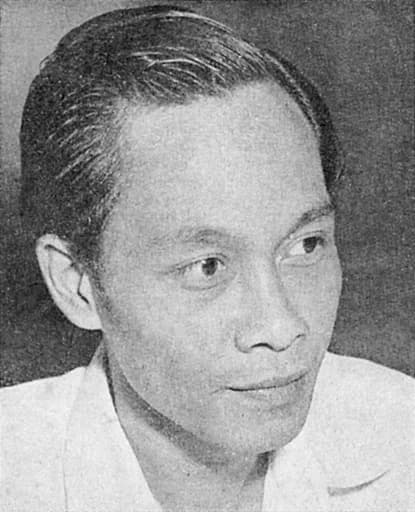
Pramoedya Ananta Toer
Prabda Yoon
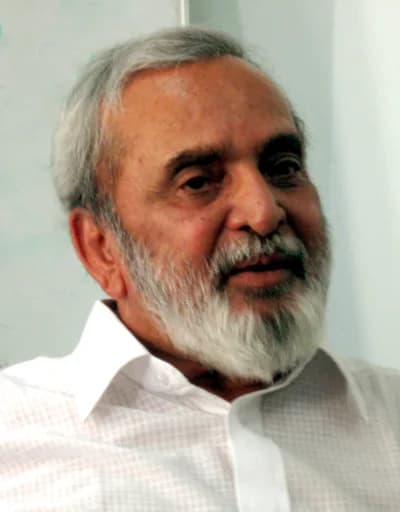
U. R. Ananthamurthy
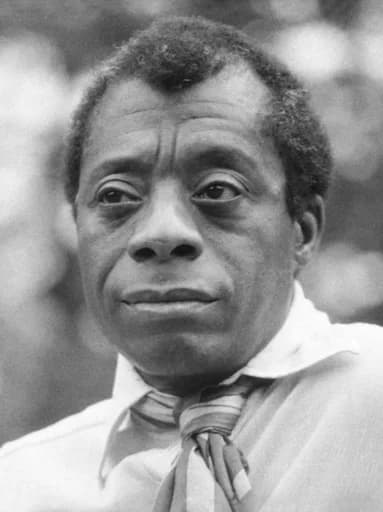
James Baldwin
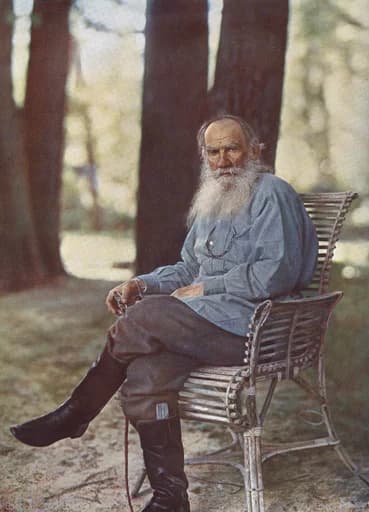
Leo Tolstoy
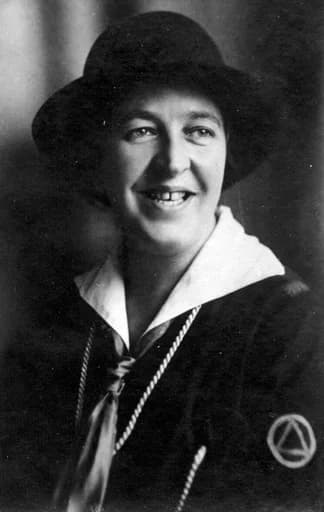
Corrie ten Boom
C.S. Lewis
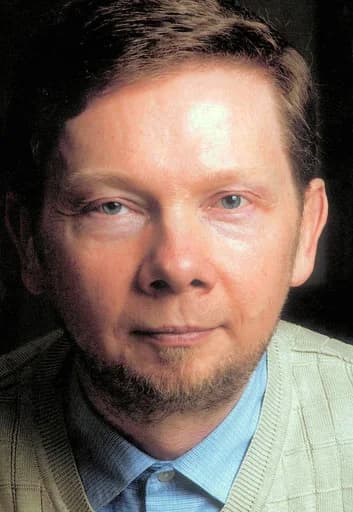
Eckhart Tolle
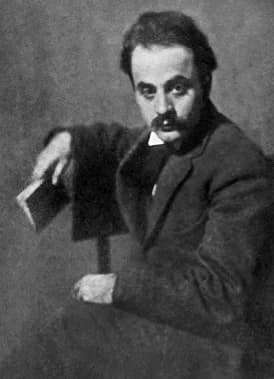
Khalil Gibran

Viktor Frankl
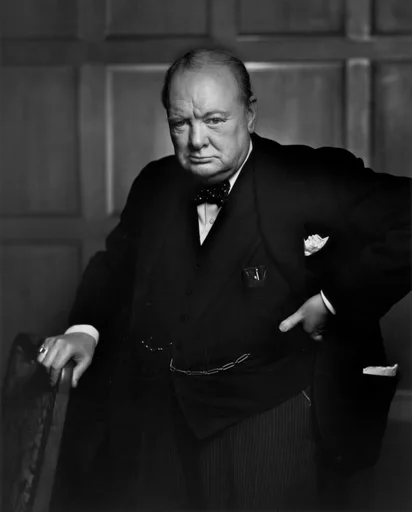
Winston Churchill
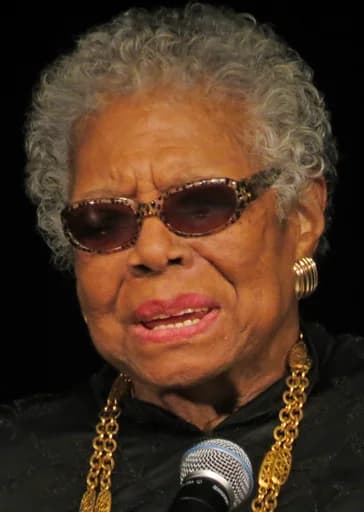
Maya Angelou
Explore