Biography
About Pramoedya Ananta Toer
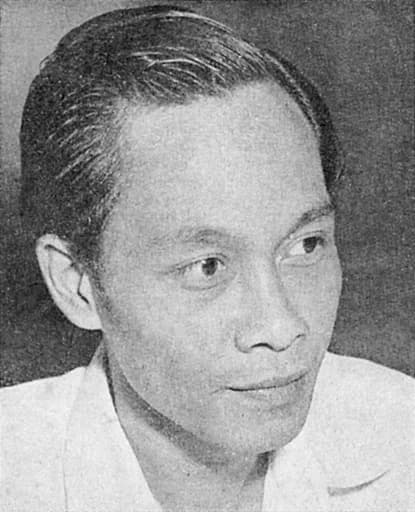
Pramoedya Ananta Toer (1925–2006) was an Indonesian author widely regarded as the greatest Indonesian literary figure of the 20th century and a perennial Nobel Prize contender. Born in Blora, Java, he fought in Indonesia's independence revolution and was first imprisoned by the Dutch in 1947. Under Suharto's regime he was imprisoned without trial for 14 years on Buru Island (1965–79), banned from writing materials.
He dictated his Buru Quartet — *This Earth of Mankind* (1980), *Child of All Nations* (1980), *Footsteps* (1985), *House of Glass* (1988) — to fellow prisoners from memory before paper was allowed. The books were banned in Indonesia for decades and circulated in secret. His work chronicles Indonesian history from colonial humiliation through independence through authoritarianism with moral clarity and narrative urgency.
He was twice arrested, twice imprisoned, and never ceased writing.
Key Themes
Quick Facts
- Born
- 1925
- Died
- 2006
- Lifespan
- 81 yrs
From the Blog
Related Reading
Discover
More Thought Leaders

Need to Know
Frequently Asked Questions
Pramoedya Ananta Toer (1925–2006) was an Indonesian author widely regarded as the greatest Indonesian literary figure of the 20th century and a perennial Nobel Prize contender. Born in Blora, Java, he fought in Indonesia's independence revolution and was first imprisoned by the Dutch in 1947. Under Suharto's regime he was imprisoned without trial for 14 years on Buru Island (1965–79), banned from writing materials. He dictated his Buru Quartet — *This Earth of Mankind* (1980), *Child of All Nations* (1980), *Footsteps* (1985), *House of Glass* (1988) — to fellow prisoners from memory before paper was allowed. The books were banned in Indonesia for decades and circulated in secret. His work chronicles Indonesian history from colonial humiliation through independence through authoritarianism with moral clarity and narrative urgency. He was twice arrested, twice imprisoned, and never ceased writing. Pramoedya Ananta Toer lived 1925 – 2006.
Morning Practice
Continue Your Daily Reflection
Daily faith-based affirmations and quotes from inspiring thinkers like Pramoedya Ananta Toer.
Free access. New quotes & reflections every day.