Wisdom Hub
Famous Asian Inspirational Figure Quotes & Wisdom
23 asian inspirational figures including Aminatta Forna, Arundhati Roy, Aung San Suu Kyi.
Featured Quotes
Asian Inspirational Figure Wisdom
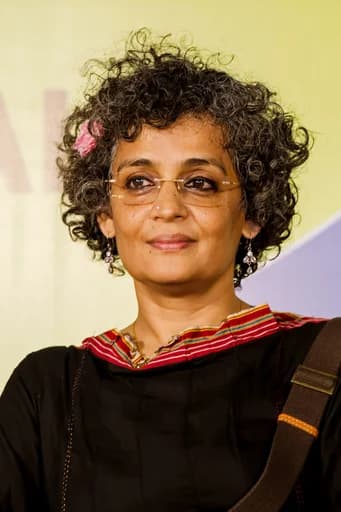
“Another world is not only possible, she is on her way. On a quiet day, I can hear her breathing.”
— Confronting Empire (World Social Forum speech), 2003
Roy delivered this as a rallying cry at the World Social Forum after the U.S. invasion of Iraq, insisting that systemic alternatives to capitalism and militarism were not only possible but already gestating. The personification of "another world" as a she who breathes became one of the most quoted lines in the global justice movement. It demonstrates Roy's ability to combine political argument with poetic image.
“To love. To be loved. To never forget your own insignificance.”
— The End of Imagination, 1998
This triple imperative — to love, to be loved, to remain humble — comes near the end of Roy's novel, offered almost as a private catechism. She argues that love without self-awareness collapses into possession, and that recognizing our smallness in the universe is not defeat but a necessary precondition for genuine connection.
“The only dream worth having is to dream that you will live while you are alive.”
— The End of Imagination, 1998
This line from Roy's novel critiques the half-life of dreams deferred — the desire for safety or approval that leads people to merely exist rather than truly live. It urges full-bodied presence in one's own life rather than a cautious performance of it. Roy herself modeled this philosophy, spending decades between novels as an activist rather than producing comfortable literary output.
“There's really no such thing as the 'voiceless.' There are only the deliberately silenced, or the preferably unheard.”
— Peace & The New Corporate Liberation Theology (Sydney Peace Prize lecture), 2004
Roy delivered this at the Sydney Peace Foundation ceremony, challenging the idea that marginalized communities simply lack a platform. She argues the silencing is deliberate — structural, political, economic — and that naming it as such shifts accountability from the silenced to those who silence. This reframing became foundational in activist discourse on representation and structural violence.
“Love and compassion are necessities, not luxuries. Without them humanity cannot survive.”
— Words of Wisdom: Selected Quotes (ed. Margaret Gee), 2001
The Dalai Lama said this at 54, having spent 30 years in exile from Tibet since the 1959 uprising. His framing — calling compassion a necessity rather than an ideal — was a deliberate challenge to realpolitik: he was arguing to a global audience that the qualities typically considered "soft" are actually the structural prerequisites for civilizational survival. The lecture is one of the defining documents of engaged Buddhism.
Voice of the Tradition
Things can change in a day.
Notable Voices
Asian Inspirational Figure Thinkers
Aminatta Forna
Arundhati Roy
Aung San Suu Kyi
Bapsi Sidhwa
Dalai Lama
Elif Shafak
Han Kang
Haruki Murakami
Lu Xun
Mo Yan
Mohsin Hamid

Mother Teresa
Nguyen Huy Thiep
Ocean Vuong
Orhan Pamuk
Prabda Yoon
Pramoedya Ananta Toer
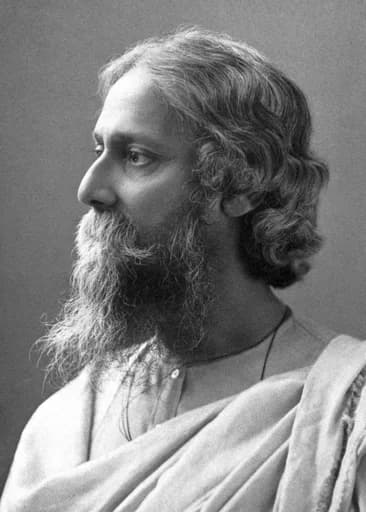
Rabindranath Tagore
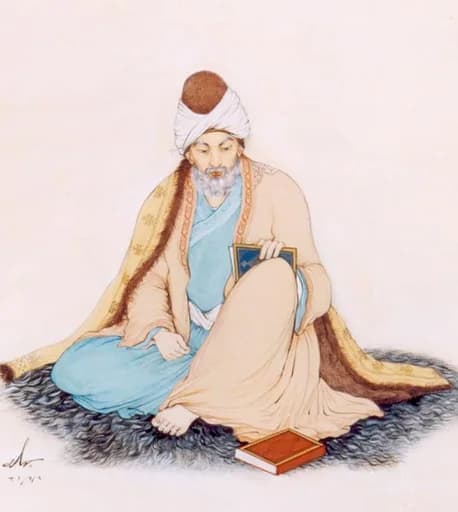
Rumi
Sayaka Murata
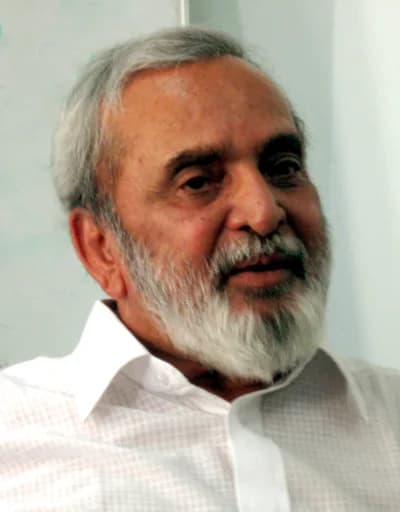
U. R. Ananthamurthy
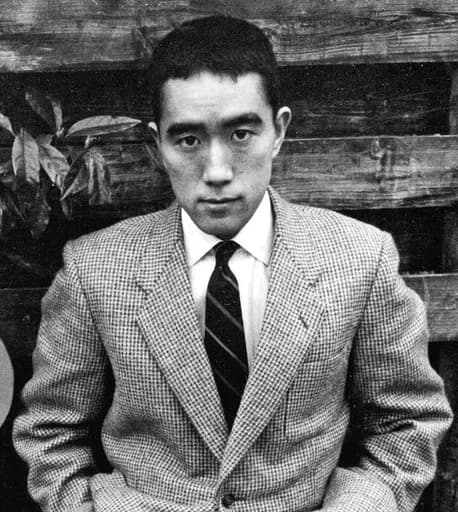
Yukio Mishima
Malala Yousafzai
Explore