Wisdom Hub
Famous Historical Figure Quotes & Wisdom
40 historical figures including Albert Camus, Aung San Suu Kyi, Chinua Achebe.
Featured Quotes
Historical Figure Wisdom
“The world is like a mask dancing. If you want to see it well, you do not stand in one place.”
From Achebe's third novel set in Igbo-land under British colonial administration, this proverb is spoken to argue against rigid, single-perspective thinking. Achebe consistently used Igbo oral tradition — proverbs, riddles, ceremonies — to demonstrate that African epistemology was sophisticated and pluralistic long before Western contact.
“When the moon is shining the cripple becomes hungry for a walk.”
From Achebe's landmark debut novel, this line is a traditional Igbo proverb used to express longing — even a person who cannot walk dreams of movement when beauty appears. Achebe used proverbs extensively throughout the novel to demonstrate the richness of pre-colonial Igbo intellectual culture, countering the Western narrative that Africa lacked civilized tradition.
“Proverbs are the palm oil with which words are eaten.”
One of the most-quoted lines from Achebe's debut, this proverb is used by village elders in the novel to explain why wisdom requires rich language and metaphor rather than bare statement. "Palm oil" was the most valuable commodity in Igbo trade — using it to season words signals that language, like food, must be prepared properly to nourish. The line is also Achebe's artistic credo: form and content are inseparable.
“Everything in the world began with a yes.”
The novel opens with this cosmogonic line: all of existence began with an affirmation, a consent to being. Lispector's narrator experiences an epiphany while contemplating a cockroach, stripping away all social identity until she reaches raw existence itself. The "yes" that begins everything is both metaphysical origin and ongoing act of will — existence must constantly be re-consented to. The Brazilian critic Roberto Schwarz called this her most radical novel.
“I write as if to save somebody's life. Probably my own.”
Lispector — born in Ukraine, raised in Brazil, writing in Portuguese — framed writing as an act of existential survival. Her fiction saved her from madness, she claimed, giving form to experiences that would otherwise be unbearable. She wrote under pseudonym during much of her career, worked as a journalist, raised children alone, and survived a disfiguring fire — all while producing some of the most challenging literature in any language.
Voice of the Tradition
In the depth of winter, I finally learned that within me there lay an invincible summer.
Notable Voices
Historical Figure Thinkers
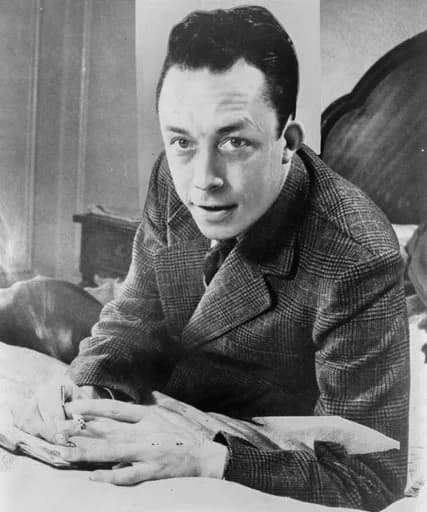
Albert Camus
Aung San Suu Kyi
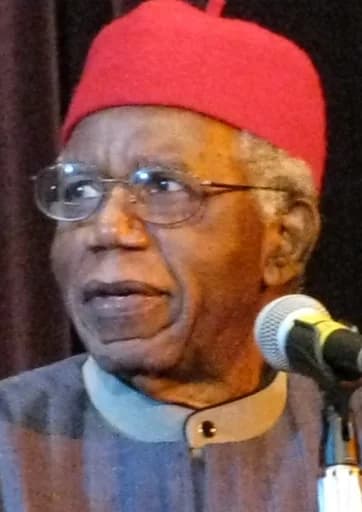
Chinua Achebe
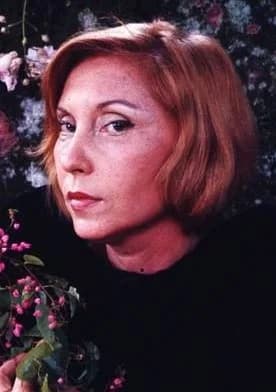
Clarice Lispector
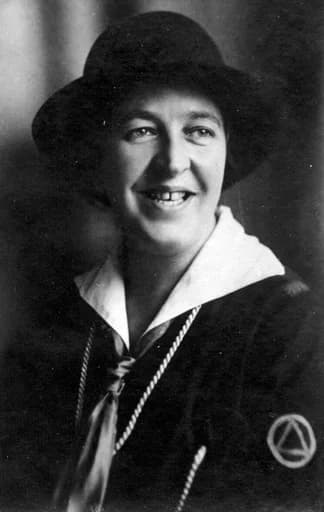
Corrie ten Boom
C.S. Lewis
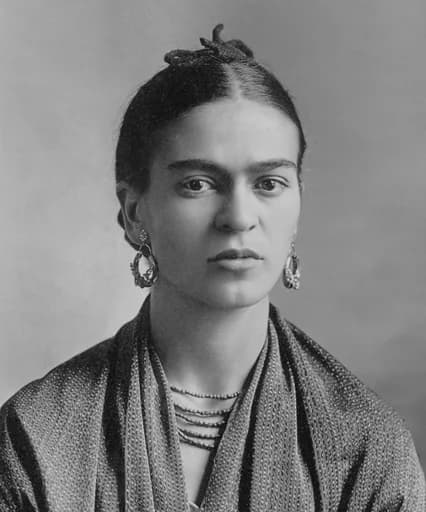
Frida Kahlo
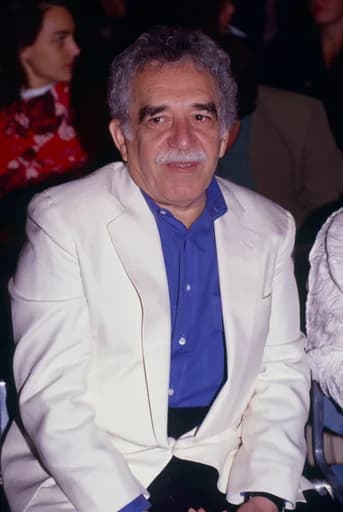
Gabriel García Márquez
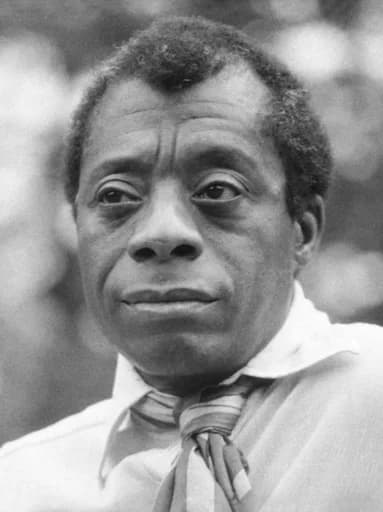
James Baldwin
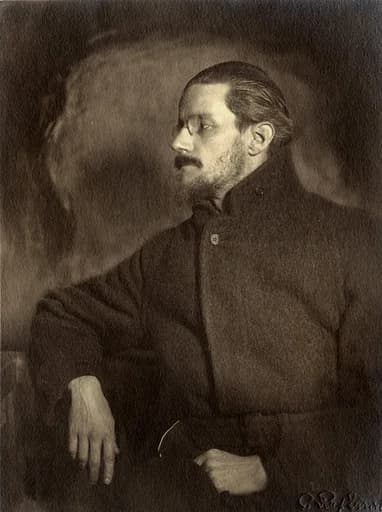
James Joyce
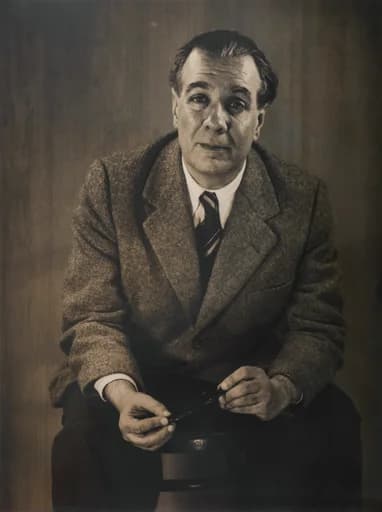
Jorge Luis Borges
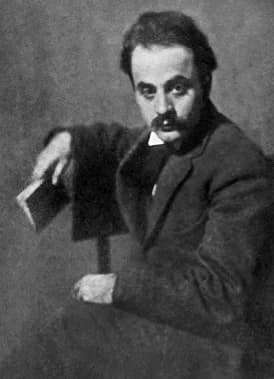
Khalil Gibran
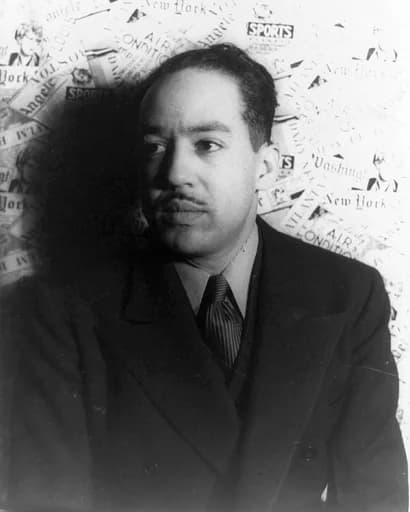
Langston Hughes
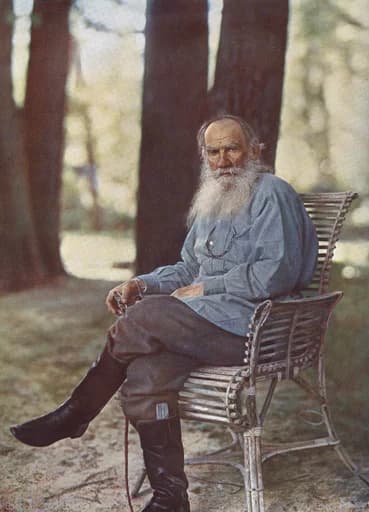
Leo Tolstoy
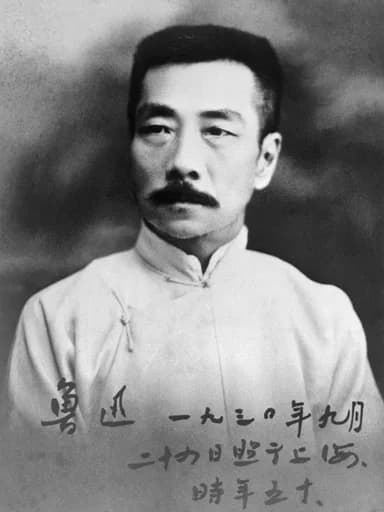
Lu Xun
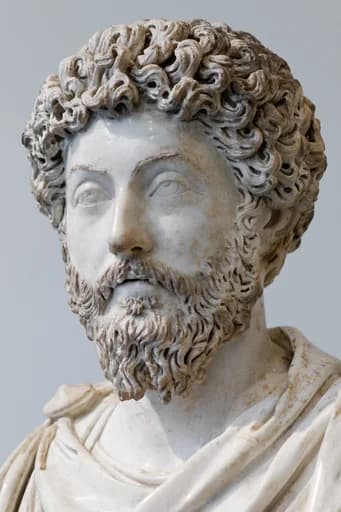
Marcus Aurelius
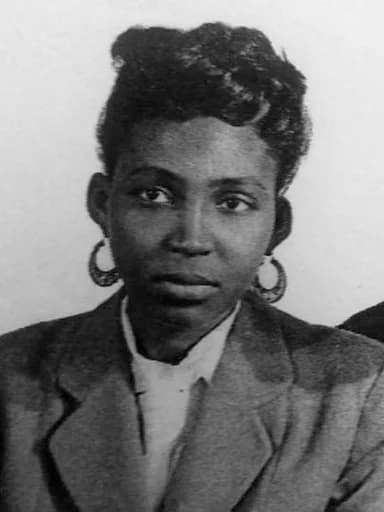
Mariama Bâ
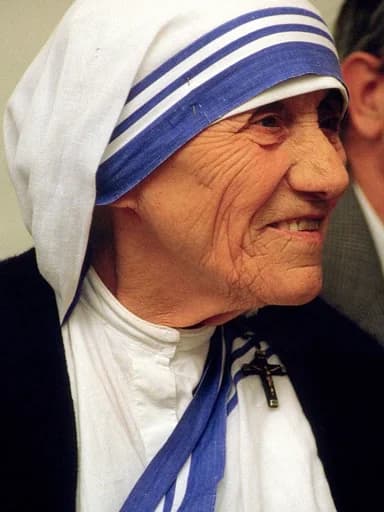
Mother Teresa
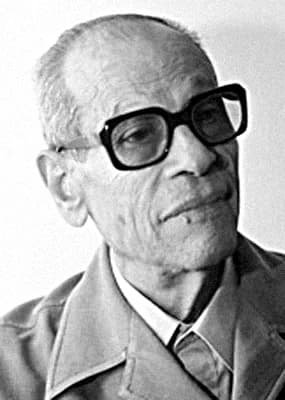
Naguib Mahfouz
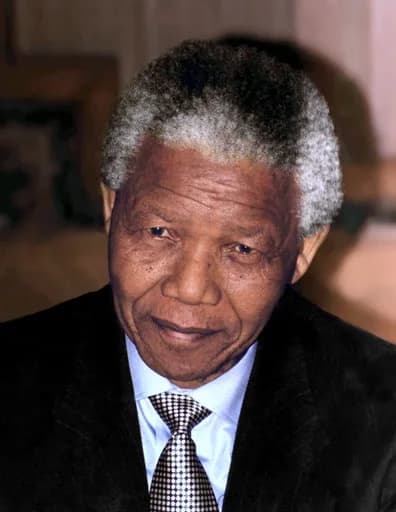
Nelson Mandela
Nguyen Huy Thiep
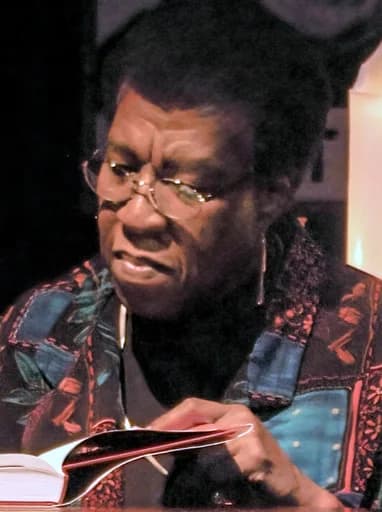
Octavia E. Butler
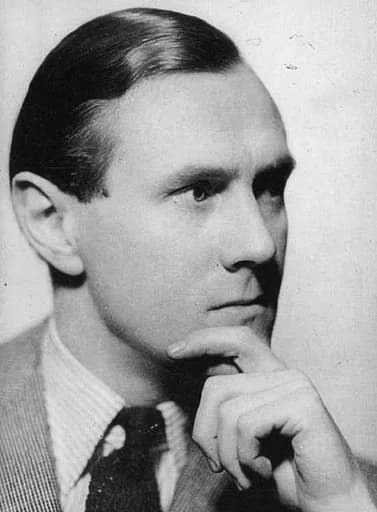
Patrick White
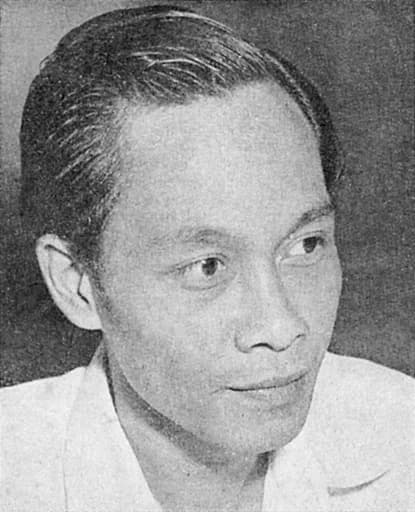
Pramoedya Ananta Toer
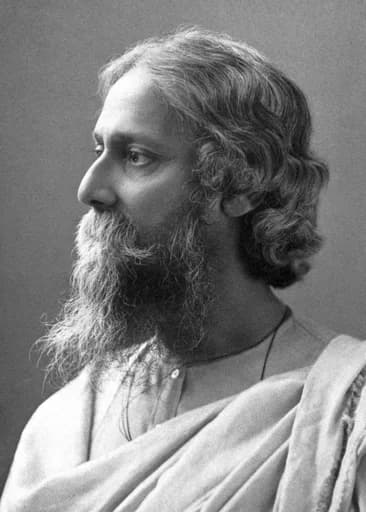
Rabindranath Tagore
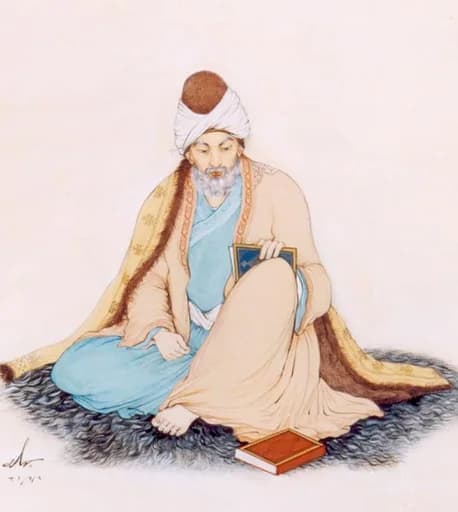
Rumi
Sappho
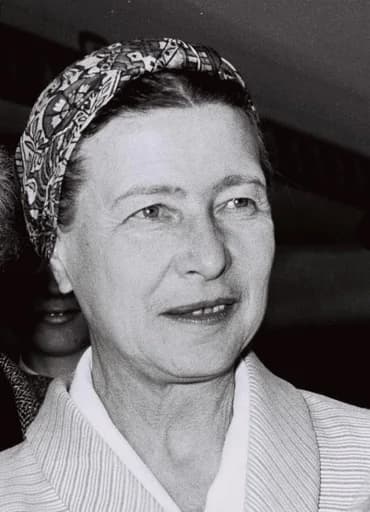
Simone de Beauvoir
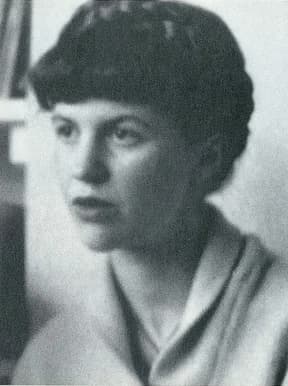
Sylvia Plath
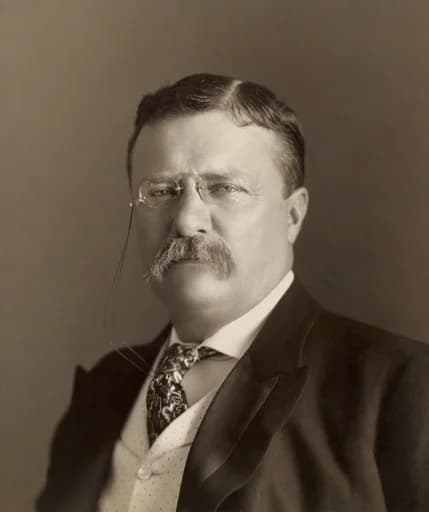
Theodore Roosevelt
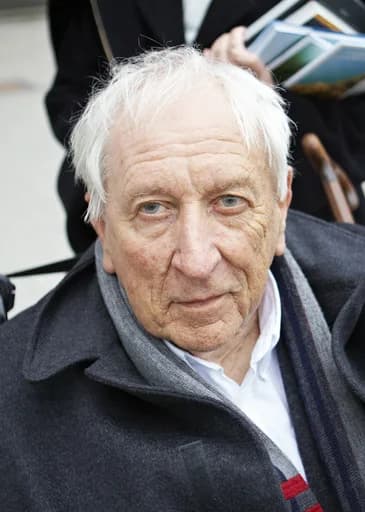
Tomas Tranströmer
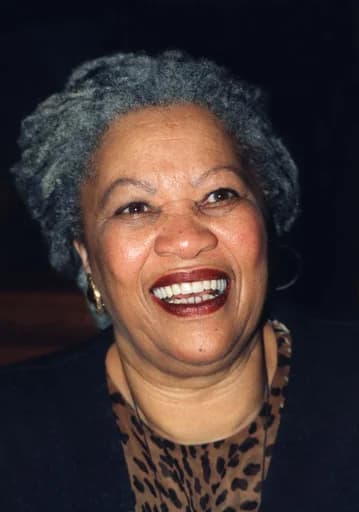
Toni Morrison
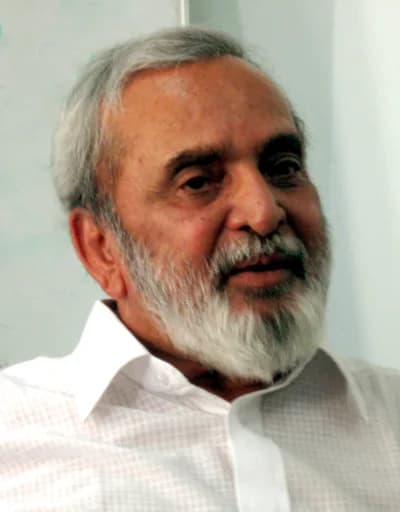
U. R. Ananthamurthy
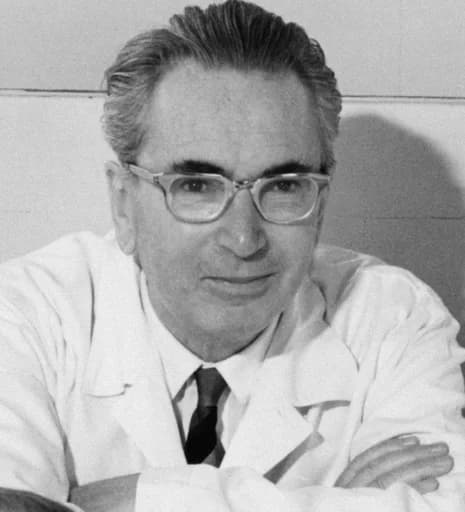
Viktor Frankl
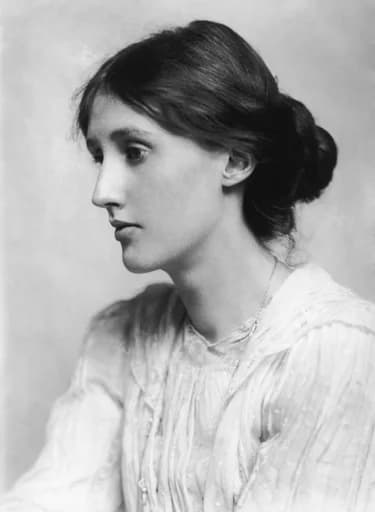
Virginia Woolf
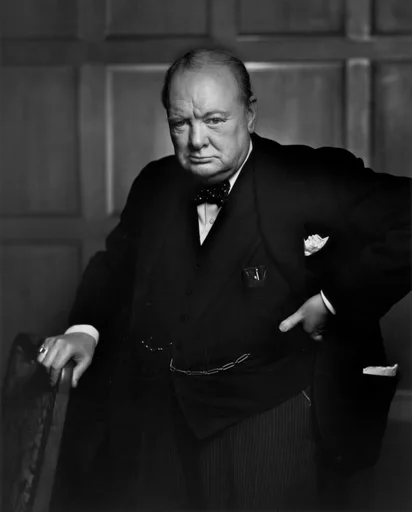
Winston Churchill
Wole Soyinka
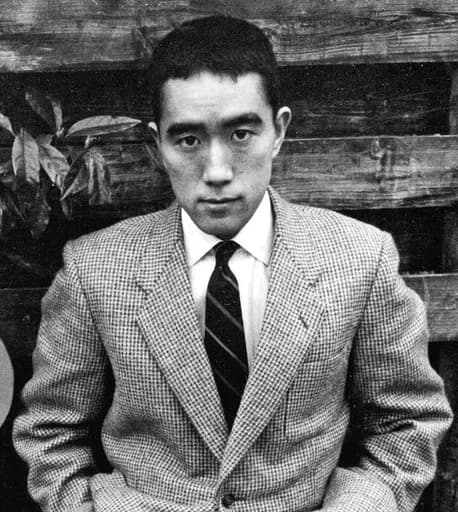
Yukio Mishima
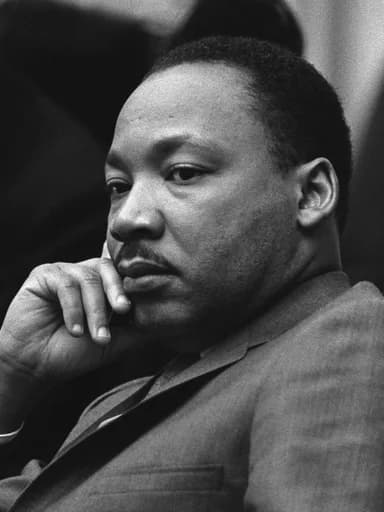
Martin Luther King Jr.
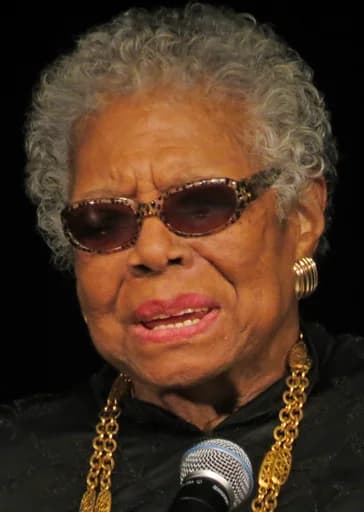
Maya Angelou
Explore